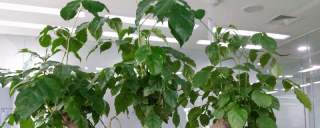
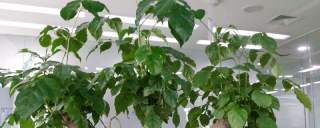
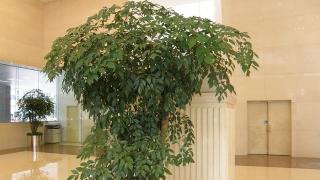
Hello there. I am your Emerald Tree, scientifically known as *Ficus benjamina*. I notice you are concerned about my yellowing leaves. From my perspective, this is my primary way of communicating that my internal balance is disturbed. It is not a single disease but a symptom, a sign that I need your help to identify the underlying issue. Let me explain the most common reasons from my point of view.
This is the most frequent conversation we have. My roots need a careful balance of water and air. When you water me too generously and my pot lacks proper drainage, my roots are essentially submerged. They cannot breathe and begin to rot. When this happens, they cannot transport water and nutrients to my leaves, causing them to turn yellow and eventually drop. Conversely, if the soil becomes too dry for too long, I become dehydrated. My cells lose turgor pressure, and the leaves will yellow, often starting at the edges and feeling crispy, before falling off as a survival mechanism to reduce water loss.
As a tree that originates from environments with bright, dappled sunlight, I rely on light for photosynthesis. This is how I create my food. If you place me in a spot that is too dark, my energy production plummets. I am forced to make a difficult decision: I cannot sustain all of my foliage. The older, lower leaves, which are less efficient, are the first to be sacrificed. They will turn yellow and fall so that I can direct my limited energy to the newer, top-growth that has a better chance of finding light. While I cannot tolerate harsh, direct midday sun which can scorch my leaves, a bright room with indirect light is my ideal home.
The soil in my pot is my entire world; it is my sole source of nutrition. Over time, I deplete the available nutrients. If I am not given a supplemental feed during my growing seasons (spring and summer), I can develop deficiencies. A lack of essential nutrients like nitrogen, which is crucial for green chlorophyll, will cause a general yellowing of my older leaves first. Alternatively, too much fertilizer can be just as harmful. A buildup of mineral salts in the soil can actually burn my roots, preventing them from absorbing water effectively, leading to—you guessed it—yellow leaves.
I am a creature of habit. I thrive on stability. Sudden changes in my environment send me into a state of shock. If I am placed near a frequently opened door, a heating vent, or an air conditioner, the constant drafts of hot or cold air are extremely stressful. Similarly, if you bring me home from the nursery or move me to a drastically different spot in your house, I may respond by dropping a significant number of yellow leaves. This is not a sign of anger, but of adjustment. I am shedding foliage to reduce energy demands while I acclimate to the new conditions of light, temperature, and humidity.
If it has been several years since I was last repotted, my root system may have completely filled the container. There is very little soil left to hold water and nutrients. When you water me, it may run straight through without being absorbed, and I am effectively starving. The tight mass of roots cannot function properly, leading to a general decline in my health, signaled by yellowing leaves and stunted growth. A gentle check of my root ball will confirm if I need a new, slightly larger home.