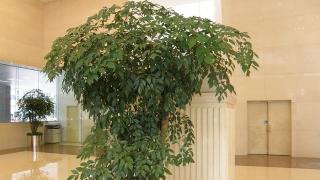
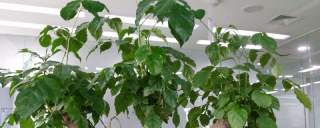
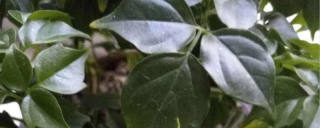
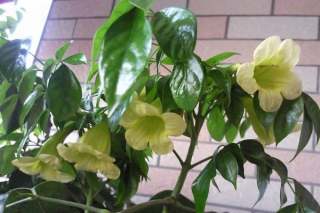
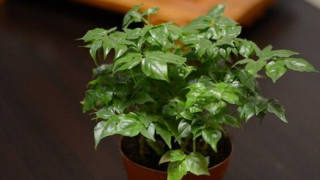
To understand the ideal conditions for an Emerald Tree plant (a common name often referring to plants like the Emerald Green Arborvitae or similar tropical foliage plants sold as "Emerald Trees"), we must first look to its origins. Many plants bearing this name are native to regions with high humidity and moderate to warm temperatures, such as the understory of tropical or subtropical forests. In this natural habitat, the plant is sheltered from intense direct sunlight and wind, thriving in a consistently moist and warm atmosphere. The canopy of taller trees creates a microclimate where temperature fluctuations are minimal, and the air is rich with moisture. Replicating this stable, humid environment is the single most important factor in keeping an Emerald Tree plant healthy and vibrant in a home setting. Straying too far from these conditions can trigger a stress response, hindering growth and compromising the plant's natural defenses.
From the plant's perspective, temperature governs the rate of all physiological processes, including photosynthesis, respiration, and transpiration. For most tropical Emerald Trees, the sweet spot lies between 65°F and 80°F (18°C to 27°C). Within this range, enzymatic activity operates efficiently, allowing the plant to convert light into energy effectively. It is crucial to avoid sudden temperature drops or cold drafts from windows, doors, or air conditioning vents. Exposure to temperatures below 55°F (13°C) can cause significant stress, leading to leaf yellowing, browning, and leaf drop as the plant's cellular functions slow down or incur damage. Similarly, excessive heat above 85°F (29°C), especially when coupled with low humidity, can accelerate transpiration to a dangerous degree, causing the plant to lose water faster than its roots can absorb it, resulting in scorched, crispy leaves.
Humidity, or the amount of water vapor in the air, is arguably even more critical than temperature for these plants. In their native environment, humidity levels routinely exceed 60% and can be much higher. The plant's leaves are adapted to absorb moisture from the air through their stomata (tiny pores). When indoor humidity drops below 40-50%, which is common in climate-controlled homes, the plant experiences excessive water loss. To conserve moisture, the stomata close, which inadvertently also shuts down the exchange of gases necessary for photosynthesis. This is why you may see the leaf tips and margins turning brown and crispy—it is a direct symptom of low humidity stress. Maintaining humidity levels between 50% and 60% is ideal for promoting lush, healthy foliage and preventing dehydration.
Temperature and humidity are intrinsically linked in plant physiology. Warmer air can hold more moisture. This relationship directly impacts the plant's transpiration rate. For example, a warm room with low humidity creates a steep "vapor pressure deficit," essentially pulling moisture out of the leaves at a rapid rate. Conversely, a cooler room with very high humidity can slow transpiration to a point where it hinders the upward flow of water and nutrients from the roots. The goal is to achieve a balance where the temperature encourages steady growth and the humidity level is high enough to prevent excessive water loss without promoting fungal diseases. A humidifier is the most effective tool for maintaining this balance, but grouping plants together, using pebble trays filled with water, or regular misting can also help raise the local humidity around the foliage.
The plant will clearly communicate when its temperature or humidity needs are not being met. Browning, crispy leaf tips and edges are the classic sign of low humidity. Generalized leaf yellowing and drop can indicate temperature stress, often from a environment that is too cold or subject to drafts. Wilting leaves can be confusing; they may signal both underwatering (a related issue) and overheating, where the roots cannot supply water fast enough to compensate for the loss through the leaves. If new growth is small, stunted, or pale, it often points to an overall stressful environment where the plant cannot allocate energy properly, frequently due to suboptimal temperature and humidity conditions that disrupt its metabolic equilibrium.