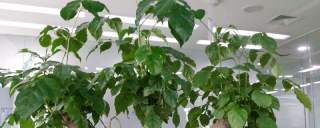
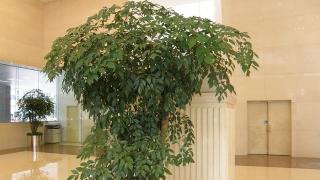
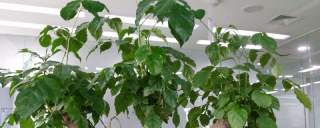
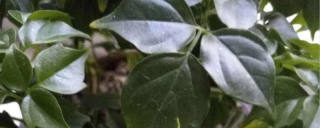
First, it is essential to understand that I am not a single species but a common name for several evergreen trees prized for their dense, vibrant green foliage, such as the Emerald Green Arborvitae or certain types of holly. My primary goal is to produce lush, green growth, which requires specific nutrients. The three key elements I need are Nitrogen (N), Phosphorus (P), and Potassium (K). Nitrogen is the most critical for me because it is the fundamental building block of chlorophyll, the molecule that allows me to photosynthesize and gives my needles or leaves their green color. A lack of nitrogen would result in pale, yellowing, or stunted growth. Phosphorus supports the development of a strong root system, which is my anchor and my means of absorbing water and nutrients from the soil. Potassium helps regulate my internal processes, improving my overall vigor and resistance to diseases and environmental stresses.
From my perspective, a fertilizer with a formulation higher in nitrogen is ideal. A ratio like 12-6-8 or 10-8-6 (N-P-K) is often suitable. These numbers mean the product contains 12% nitrogen, 6% phosphorus, and 8% potassium, for example. This higher nitrogen content directly supports the lush, green canopy you desire. It is also beneficial if the fertilizer includes micronutrients like iron, magnesium, and manganese. Iron is particularly important for me to prevent chlorosis, a condition where my leaves turn yellow but the veins remain green, which can be common in alkaline soils. A slow-release fertilizer is my preferred choice. This type of fertilizer breaks down gradually, providing a steady supply of nutrients over several months. This is much better for me than a quick-release fertilizer, which can deliver a sudden, intense nutrient surge that might "burn" my delicate feeder roots and cause stress.
Timing is crucial. My growth cycles are dictated by the seasons. The optimal time to fertilize me is in the early spring, just as I am breaking dormancy and preparing for my main annual growth spurt. Applying fertilizer at this time gives me the resources I need to push out new, healthy shoots and leaves. A second, lighter application can be beneficial in the late fall, after the heat of summer has passed but before the ground freezes. This fall feeding does not promote top growth, which would be vulnerable to winter damage. Instead, it helps my root system store energy and strengthen for the following spring. You should avoid fertilizing me during the peak of summer heat or too late in the fall, as this can stimulate new, tender growth that will not have time to harden off before winter, making it susceptible to frost damage.
How you apply the fertilizer is as important as what you apply. My feeder roots, which are responsible for nutrient uptake, are located not at my base but out towards my drip line—the area directly under the outermost circumference of my branches. You should scatter the fertilizer granules evenly on the soil surface starting a few inches from my trunk and extending slightly beyond the drip line. After applying the fertilizer, water the area deeply. This watering is vital as it dissolves the granules and helps carry the nutrients down to my root zone. Please be careful not to pile fertilizer against my trunk, as this can cause rot and create entry points for pests and diseases. For a newly planted tree, wait until the following spring to fertilize, allowing me to focus my energy on establishing my roots in the new location first.