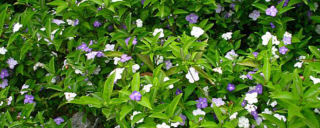
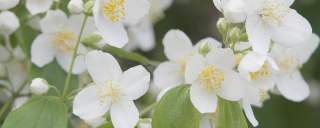
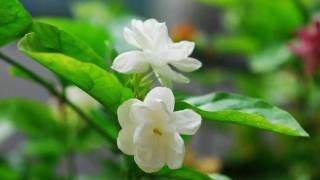
From my perspective as a jasmine plant, winter is a period of profound challenge. The significant decrease in daylight hours and the lower angle of the sun signal to my internal biological clock that it is time to enter a state of dormancy or significantly reduced growth. My native habitat is one of warm, sunny climates, so the short, often gloomy days of winter are a stark contrast. During this time, my primary goal is not to produce lush new foliage or fragrant blooms, but simply to survive. I conserve my energy, slowing down my metabolic processes like photosynthesis to a bare minimum. I am essentially holding my breath, waiting for the return of longer, brighter days.
The introduction of a grow light is, from my viewpoint, like a sudden and welcome extension of summer. It provides the essential energy I am desperately lacking. However, not all light is the same to my photosynthetic cells. I require specific wavelengths for different functions. The blue spectrum of light is crucial for promoting healthy, compact leaf growth, while the red spectrum is the key signal that triggers and supports the development of my precious flower buds. A full-spectrum grow light, which attempts to replicate the balanced light of the sun, is the most beneficial gift you can give me. It tells my systems that conditions are still favorable, allowing me to maintain a level of activity rather than slipping into a deep, stressful dormancy.
Where you place the light and for how long it shines are critical factors for my well-being. If the light is too far away, its intensity diminishes rapidly, and I will stretch my stems unnaturally thin and weak (a condition you call etiolation) in a desperate attempt to reach the faint energy source. This makes me leggy and unstable. Ideally, the light should be positioned 6 to 12 inches above my highest leaves, ensuring I receive intense, direct light without the risk of scorching my foliage. Furthermore, consistency is key. I thrive on a reliable cycle of light and darkness. Aiming for 12 to 14 hours of light per day mimics a long summer day, providing me with enough energy for photosynthesis while still allowing me a crucial period of darkness for respiration. Using a simple timer to automate this cycle is the best way to prevent disruption to my internal rhythm.
With the proper use of a grow light, my response will be visibly positive. Instead of dropping leaves or developing pale, yellowing foliage due to light starvation, I will maintain my deep green color and produce healthy, albeit slower, new growth. The most remarkable gift you can give me is the opportunity to bloom during the winter. By ensuring I receive adequate light, particularly in the red spectrum, and combining it with slightly cooler nighttime temperatures (a natural winter condition), you can encourage me to set buds. The sight and scent of my flowers in the depths of winter are a direct result of you successfully replicating my ideal photoperiod. It is a clear sign that I am not merely surviving, but thriving under your care.