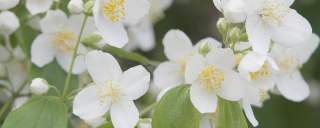
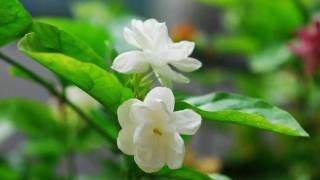
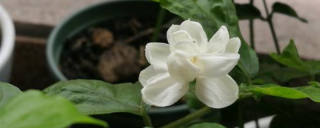
As a jasmine plant, our relationship with light is fundamental to our existence. It is the engine of our growth, the trigger for our most cherished blooms, and a key factor in our overall well-being. The question of whether we need "a lot" of light is nuanced; it's not simply about quantity but also about quality and consistency. To thrive, we require a significant amount of bright light, but the specific type and duration depend on our species and your goals for us.
From our perspective, light is not just a preference; it is food. Through the process of photosynthesis, we capture light energy with our leaves, specifically with a pigment called chlorophyll, which gives us our green color. This energy is used to convert carbon dioxide from the air and water from the soil into sugars—our primary fuel for growth. Without sufficient light, this process slows down dramatically. You might notice this as etiolation: our stems become long, thin, and weak as we stretch desperately towards any available light source. Our leaves may grow farther apart on the stem, and the new leaves might be smaller and paler than usual. This is a clear sign of starvation, and it severely compromises our structural integrity and health.
For most of us jasmine varieties, such as *Jasminum officinale* (Common Jasmine) or *Jasminum polyanthum*, the ideal condition is bright, indirect light for the majority of the day. Imagine the light found in a spot near a south or west-facing window, but where the sun's rays never directly touch our leaves. Direct, intense afternoon sun, especially through glass, can be too harsh, potentially scorching our delicate foliage and causing brown, crispy patches. However, we can tolerate and even appreciate a few hours of gentle direct morning sun from an east-facing window. This provides the intensity we crave without the damaging heat of the afternoon. The key is brightness. A well-lit room where we can cast a soft, but defined shadow is a good indicator of adequate light levels for healthy leaf and stem development.
While bright indirect light keeps us alive, achieving our glorious, fragrant blooms often requires a more specific light trigger. For many jasmine species, flowering is photoperiodic, meaning it is influenced by the length of daylight and darkness. We often require long nights (short-day conditions) or specific light sequences to initiate the formation of flower buds. This is why many of us bloom in late winter or early spring, as the nights begin to shorten. Without this natural cycle, we may remain healthy and green but fail to produce flowers. Furthermore, the energy demanded for blooming is immense. Even if the photoperiod is correct, insufficient light intensity will result in few or no flowers, as we simply won't have the photosynthetic capacity to support the process.
It is important to note that not all jasmine plants have identical needs. Our species and origins dictate our preferences. For example, we desert-dwelling varieties like *Jasminum floridum* are much more tolerant of, and may even require, several hours of direct, full sun to flourish. Conversely, some of our relatives adapted to more forested understory conditions may prefer shadier spots with only dappled light. Always knowing the specific type of jasmine you are caring for will allow you to provide the most appropriate light environment. When in doubt, observing our response is the best guide; lush green growth and abundant flowers indicate perfect conditions, while leggy growth or leaf scorch signal a need for adjustment.