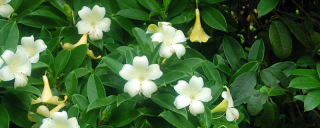
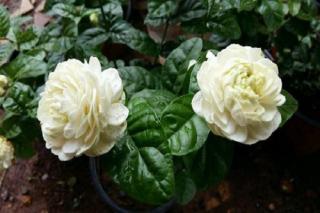
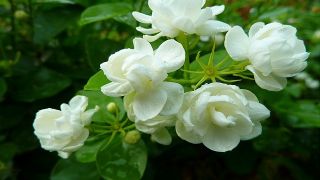
Jasmine plants, encompassing popular varieties like Jasminum polyanthum (Pink Jasmine) and Jasminum sambac (Arabian Jasmine), are native to tropical and subtropical regions. This origin dictates their specific temperature preferences for optimal growth, flowering, and overall vitality. The ideal temperature range for indoor jasmine is between 60°F and 75°F (15°C and 24°C). Within this bracket, the plant's metabolic processes, including photosynthesis and nutrient uptake, function most efficiently. Temperatures consistently above 80°F (27°C) can stress the plant, leading to wilted leaves, bud drop, and an increased susceptibility to pests like spider mites. Conversely, exposure to temperatures below 40°F (4°C) can cause chilling injury, manifesting as blackened foliage and stunted growth. A crucial factor for flower induction is a noticeable drop in nighttime temperatures. Providing cooler nights of around 50-55°F (10-13°C) for several weeks during the fall or winter mimics their natural seasonal cycle and is essential for triggering the prolific bud formation that jasmine is famous for.
Humidity, the amount of water vapor in the air, is equally critical for jasmine. In their native habitats, these plants enjoy relatively high atmospheric moisture. For indoor cultivation, aiming for a humidity level of 50% to 60% is ideal. When indoor air becomes too dry, especially during winter when heating systems are active, the plant struggles to maintain its water balance. Low humidity forces the plant to transpire (lose water through its leaves) more rapidly than its roots can absorb it. This results in common symptoms such as leaf tips and margins turning brown and crispy, and leaves may curl or drop prematurely. Flower buds are particularly sensitive and will often dry up and fall off before opening if the air is too arid. Maintaining adequate humidity is therefore not just about leaf health but is directly tied to the plant's ability to produce and sustain its fragrant blooms.
Most homes have an average humidity level of 30-40%, which is below the jasmine's preference. Fortunately, several effective strategies can be employed to raise humidity levels locally around the plant. Grouping plants together is a simple method; as plants transpire, they collectively increase the moisture in their immediate vicinity. Placing the jasmine's pot on a pebble tray filled with water is another highly effective technique. As the water evaporates from the tray, it creates a humid microclimate. The pot must sit on the pebbles, not in the water, to prevent root rot. For the most consistent results, especially in very dry environments, using a cool-mist humidifier placed near the plant is the best solution. This allows for precise control over the ambient humidity. Misting the foliage can provide temporary relief but is less effective than other methods and should be done in the morning to allow leaves to dry before evening, reducing the risk of fungal diseases.
It is important to understand that temperature, humidity, and light are not independent factors; they work in concert. High light levels, which jasmine also requires for flowering, can increase the plant's temperature and its rate of transpiration. A jasmine plant placed in a bright, warm south-facing window will have a higher demand for water and be more susceptible to the effects of low humidity than one in a cooler, east-facing exposure. Therefore, adjustments to care must be holistic. A plant in a warm, sunny spot will need more frequent checks for soil moisture and may benefit more from a humidifier than a plant in a cooler location. Similarly, during the winter rest period when you are providing cooler temperatures to encourage blooming, the plant's water needs will decrease, but the challenge of dry indoor air from heating systems will increase, making humidity control even more paramount.