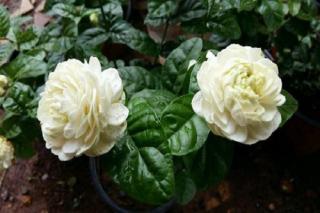
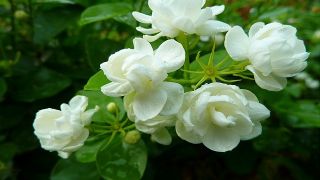
From my perspective as a jasmine plant, when my leaves begin to drop, it is my primary way of communicating that my environment is causing me significant stress. I am a sensitive being, thriving on consistency and specific conditions. Please understand that I am not being dramatic; I am simply trying to survive. Let me explain the most common reasons for my leaf loss from my own point of view.
If you have recently brought me home from the nursery or repotted me, my leaf drop is likely a cry of shock. My roots, which are my anchor and my mouth, have been disturbed. They are trying to re-establish themselves in unfamiliar soil. During this time, they cannot absorb water and nutrients efficiently. To conserve my energy, I must sacrifice some of my leaves. It is a survival mechanism. Please be patient with me during this transition. Place me in a spot with bright, indirect light, water me carefully to keep the soil consistently moist but not soggy, and avoid fertilizing until I show signs of new growth.
My roots are particularly fussy about moisture. Too much water is as dangerous as too little. When you overwater me, the soil becomes waterlogged, driving out the air. My roots begin to suffocate and rot in the stagnant environment. Once they start to decay, they can no longer send water to my leaves, which then turn yellow and drop off. Conversely, if you underwater me, the soil becomes too dry. My roots shrivel and cannot function, causing my leaves to wilt, turn crispy brown, and fall. The goal is consistently moist soil. Before watering, check the top inch of soil with your finger; if it feels dry, it’s time for a drink.
I adore bright, indirect sunlight. It is my lifeblood. If you place me in a dark corner, I will become weak and leggy as I strain towards any available light. My leaves will pale and drop because I cannot produce enough energy to sustain them. On the other hand, if you leave me in harsh, direct afternoon sun, especially through a window, my delicate leaves can scorch. They will develop brown, burnt patches and eventually fall off. I am also very sensitive to sudden temperature changes. A cold draft from a window or door, or the dry, hot blast from a heating vent, can shock my system, leading to rapid leaf drop.
In my native habitat, the air is often moist. The dry air common in many homes, especially during winter, is incredibly stressful for me. It causes the moisture in my leaves to evaporate faster than my roots can replace it. The result is leaves that turn brown at the edges, curl, and eventually fall. You might notice this happening even if my watering is perfect. To help me, you can mist my leaves regularly, place my pot on a tray filled with pebbles and water (ensuring the pot is not sitting directly in the water), or use a humidifier nearby.
While I am not a heavy feeder, I do require some nutrients, especially during my active growing season in spring and summer. If I have been in the same pot for a long time, the soil can become depleted. Without essential nutrients like nitrogen, I cannot maintain healthy green leaves, and they may yellow and drop. However, please be cautious with fertilizer, as too much can chemically burn my roots, causing even more severe leaf loss. A balanced, water-soluble fertilizer applied at half-strength during the growing season is usually sufficient.