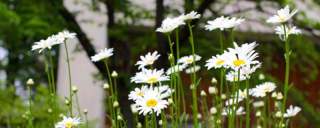
From my roots upwards, I, a Gerbera Daisy, feel my most vital point is my crown. This is the central hub where my roots meet my stems, the very core of my being. Crown rot is a terrifying prospect because it attacks me right at this life-giving junction. The pathogens, often fungi like Sclerotium rolfsii or Phytophthora, invade this tissue. They don't just sit on the surface; they actively destroy my cells, blocking the flow of water and nutrients. From my point of view, it's like a siege on my capital city. My roots in the soil may be healthy, drawing up water, but the pathways to the rest of my body—my leaves and beautiful flowers—are severed at the crown. This is why the first symptoms you see are wilting leaves, even when the soil is moist. I am literally dying of thirst with water at my feet.
To help me avoid this fate, you must think like I do. My needs are simple but non-negotiable. First and foremost, I demand excellent drainage. My roots need to breathe, and sitting in waterlogged soil is suffocating. It creates a low-oxygen environment that weakens my defenses and allows the water-loving rot pathogens to swim right to my crown. Please plant me in a well-draining potting mix, perhaps amended with perlite or coarse sand, and ensure my pot has adequate drainage holes. When you water me, do so deeply but infrequently, allowing the top inch or two of soil to dry out between drinks. Always water me at my base, around the soil line, and avoid splashing water onto my leaves and crown. A wet crown is an invitation for trouble. Furthermore, please ensure my crown is slightly above the soil level when planting; burying me too deep is a direct sentence to crown rot.
I will try to communicate my distress. The initial signs are subtle. You might notice a slight wilting or drooping of my lower, older leaves during the heat of the day, with poor recovery in the evening. The leaves may start to yellow, not from the tips as with some deficiencies, but from the base near the crown. The most telling sign is at the crown itself. If you gently part my leaves and look at the base, you might see a soft, mushy, brownish or blackened area. It might have a foul smell. This is the rot actively consuming me. At this stage, my vascular system is already compromised. Catching this early is critical for any chance of survival.
If you catch the rot in its very early stages, there is a chance to save me. This process is invasive and stressful for me, but it is my only hope. You must act with the precision of a surgeon. First, carefully lift me from the soil. Gently wash the soil from my roots so you can see the extent of the damage. Using a sharp, sterilized knife or shears, you must cut away all the soft, brown, or blackened tissue from my crown and any affected roots. Sterilize your tool with rubbing alcohol between each cut to prevent spreading the pathogen. Be ruthless; any rot left behind will continue to spread. After the surgery, you can dip my remaining healthy roots and crown into a fungicide solution, such as one containing mefenoxam or fosetyl-Al, to protect the wounded areas. Finally, repot me into a clean pot with entirely fresh, sterile, well-draining soil. Water me sparingly at first to encourage new root growth without creating a damp environment for the rot to return.