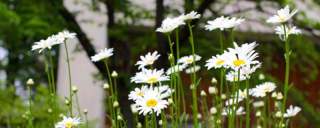
As a Gerbera Daisy, my comfort and vitality are directly tied to the temperature of my environment. I thrive in a very specific range that mimics my native South African grasslands. For me, the perfect daytime temperature is between 18°C and 24°C (65°F and 75°F). Within this range, my metabolic processes, like photosynthesis and nutrient uptake, operate at peak efficiency. This allows me to produce the large, colorful blooms that bring you so much joy. My stems grow strong, and my leaves remain a deep, healthy green. When nights come, I appreciate a slight cooldown to between 12°C and 18°C (55°F and 65°F). This dip is not a hardship; it is a vital rest period. It helps me conserve energy and strengthens my blooms, making them last longer.
When temperatures stray too far from my ideal, I begin to show clear signs of distress. If the mercury rises above 27°C (80°F) for prolonged periods, I become heat-stressed. You will see me wilt, even if my soil is moist, because I am losing water through my leaves faster than my roots can absorb it. My growth will slow down or stop completely, and I will be reluctant to produce new flower buds. The blooms I do manage to open may be smaller, paler, or have deformed petals. Conversely, I am extremely sensitive to cold. Temperatures dipping below 5°C (40°F) are very dangerous for me. My cells can be damaged by frost, causing my leaves and flowers to turn black and mushy. A hard freeze is often fatal. Even chilly drafts from a window or air conditioner can cause me to drop buds and go into a state of shock.
Humidity, the amount of water vapor in the air, is another critical factor for my well-being. I prefer a moderate humidity level, generally between 40% and 60%. This range creates a balanced atmosphere where I can breathe comfortably. When humidity is in this sweet spot, the tiny pores on my leaves, called stomata, can open and close efficiently to regulate gas exchange and prevent excessive water loss. It also helps keep my foliage turgid and healthy. In environments that are too dry, such as heated homes in winter, the low humidity causes me to lose water rapidly. You might notice the tips of my leaves turning brown and crispy. High humidity, on the other hand, above 70%, creates a whole different set of problems that threaten my very foundation.
While I need moisture, stagnant, overly humid air is my enemy. When humidity levels are consistently high, the water on my leaves and in the crown of my plant (the center where leaves meet the roots) cannot evaporate quickly enough. This creates a perpetually wet environment that fungal pathogens, like powdery mildew and botrytis (gray mold), absolutely love. You might see a white, powdery coating on my leaves or a fuzzy gray mold on my flowers and stems. These diseases can quickly disfigure me and, if left unchecked, prove fatal. Furthermore, constantly wet foliage and crown can lead to crown rot, a serious condition that causes the base of my plant to decay. Therefore, good air circulation is as important as the humidity level itself; it helps move moist air away from my leaves, keeping them dry and healthy.
Your local climate and the changing seasons require you to be my advocate. If I live outdoors, I am strictly a warm-season plant and must be brought inside well before the first frost. When I am indoors with you, I often need help maintaining my ideal conditions. Placing me in a bright room away from heating vents, cold drafts, and fireplaces is crucial. If the air becomes too dry in winter, you can increase humidity around me by placing my pot on a tray filled with pebbles and water (ensuring the pot sits above the water line) or by using a room humidifier. Misting my leaves is not recommended, as it can leave water droplets that promote fungal diseases. By carefully managing the temperature and humidity around me, you provide the stable, comfortable home I need to reward you with my spectacular, long-lasting flowers.