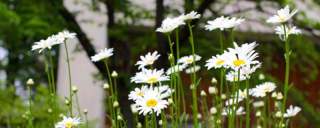
Gerbera daisies (*Gerbera jamesonii* and hybrids) are a cornerstone of modern horticulture, prized for their large, vividly colored capitulum (flower head) and long vase life. From a botanical perspective, the diversity in types and colors available to growers is a result of extensive hybridization and selection for specific morphological traits. Understanding these traits allows gardeners to make informed choices based on plant structure and genetic potential.
The most significant classification for growers revolves around the form and arrangement of the florets that make up the flower head. A Gerbera's "flower" is not a single flower but a composite inflorescence composed of two types of tiny florets: the ray florets (the "petals") and the disk florets (the central "eye").
Single-Flowered Gerberas: This is the most common and classic form. The flower head features a single or double row of flat or slightly spoon-shaped ray florets surrounding a prominent central disk of tiny, fertile disk florets. This structure is highly attractive to pollinators and represents the form closest to the wild species.
Double-Flowered Gerberas: Through selective breeding, double varieties have been developed where the central disk is filled with rows of shorter, petal-like florets, creating a much denser, fuller flower head. The disk is often partially or completely obscured, giving a lush, multi-petaled appearance.
Crested or Spider Gerberas: This is a more specialized type where the ray florets are often quilled, tubular, or twisted, creating a spiky, textured effect. The central disk may be single or double. These varieties showcase the genetic variation in floret shape and add unique textural interest to gardens and arrangements.
The spectacular color range of Gerbera daisies is due to pigments present in the ray florets. The primary pigments are carotenoids (producing yellows, oranges, and reds) and anthocyanins (producing pinks, reds, purples, and magentas). The specific hue is determined by the combination and concentration of these pigments, as well as the pH within the plant's vacuoles.
Pigment-Based Color Groups:
Yellows and Oranges: These colors are predominantly produced by carotenoid pigments, such as lutein and beta-carotene. They are generally stable and less affected by soil pH.
Reds and Scarlets: This group can result from high concentrations of anthocyanins (like pelargonidin) or specific carotenoids, or a combination of both.
Pinks and Purples: These shades are almost exclusively due to anthocyanin pigments. The exact shade of pink, coral, or deep magenta is influenced by genetic factors controlling pigment concentration and cellular conditions.
Whites and Creams: White varieties lack significant pigmentation in the ray florets. The white appearance is due to the reflection of light from air-filled intercellular spaces in the petals.
When selecting Gerbera varieties, considering the plant's overall vigor and flower stem structure is as important as color and form. For garden planting, compact, free-flowering cultivars with strong, shorter stems are ideal as they are more wind-resistant. For cut flower production, varieties with long, sturdy, and thick scapes (flower stalks) that can support the large, heavy flower heads are essential. Furthermore, many modern hybrids are bred for resistance to common fungal pathogens like powdery mildew and gray mold (*Botrytis cinerea*), which is a critical factor for long-term plant health and reduced maintenance. Growers should seek out disease-resistant cultivars suited to their specific climate.