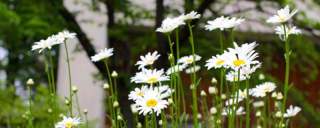
To understand the longevity of a Gerbera daisy flower, one must first recognize its botanical structure. What appears to be a single flower is actually a composite inflorescence, a sophisticated structure composed of hundreds of tiny individual flowers. This head, or capitulum, has two main types of florets: the showy, petal-like ray florets that form the outer ring, and the tiny, often tubular, disc florets that create the central "eye." The lifespan of the entire display is governed by the sequential blooming and senescence of these florets. From the plant's perspective, the primary goal is to remain attractive to pollinators for as long as possible to ensure successful reproduction. Therefore, the longevity of the inflorescence is a carefully managed process, not a single event.
When growing under optimal conditions—ample sunlight, consistent moisture, well-draining soil, and moderate temperatures—a single Gerbera daisy inflorescence can last on the plant for approximately two to four weeks. This duration is influenced by several physiological factors. The plant continuously directs water, nutrients, and energy (photosynthates) to the developing and open flower heads. A strong, healthy plant with a robust root system is more efficient at this resource allocation, leading to longer-lasting blooms. Furthermore, environmental stress plays a critical role. Intense heat can cause the flower to wilt prematurely as the plant struggles with transpiration, while insufficient light may lead to weaker flower stalks and shorter bloom periods as the plant conserves energy.
The longevity of the flower is directly cut short by the successful completion of its reproductive mission: pollination. Once the disc florets in the center are pollinated, the plant receives hormonal signals to initiate senescence. The plant's priority shifts from attracting pollinators to investing energy in seed development within the fertilized florets. This triggers a rapid decline; the ray florets may begin to droop, fade in color, and the entire head will start to wither. Even without pollination, natural aging occurs. The plant will eventually cease resource allocation to older flowers to support new growth and budding inflorescences. Regular deadheading, the practice of removing spent blooms, is beneficial from the plant's viewpoint. It prevents the plant from wasting energy on seed production and encourages it to initiate new flower buds, thereby extending the overall flowering season of the plant.
Once cut from the plant, the Gerbera daisy inflorescence is severed from its source of water and nutrients. Its lifespan becomes a race against dehydration and microbial decay. In a vase, a Gerbera flower typically lasts between 7 to 14 days with proper care. The key physiological challenge is the hollow stem, which is prone to air bubbles (embolisms) that block water uptake. Recutting the stems underwater before placing them in a vase helps to clear this blockage, allowing the flower to hydrate efficiently. The plant's tissues continue to respire, consuming stored sugars. Adding floral preservative to the water provides a carbohydrate source and biocides to inhibit bacterial growth, which can clog the vascular system. From the perspective of the severed inflorescence, these measures artificially extend its metabolic activity and visual appeal, mimicking the support it would have received from the parent plant.