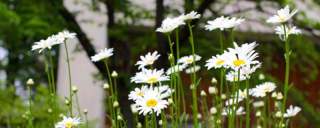
From my perspective as a Gerbera Daisy, the decision to transplant is a significant one, triggered by internal and external cues. My root system, the very core of my being, has likely filled the current container. You might notice my growth has slowed, or water rushes through the pot without being absorbed; these are clear signals from my roots that they are pot-bound and craving new territory. The ideal time for this upheaval is during a period of gentle growth, typically in the cool, moist hours of early morning or late afternoon in spring or early autumn. This avoids the stress of intense midday sun, giving my roots a chance to acclimate without the added demand of supporting excessive transpiration from my leaves.
The moment of removal from my current home is critical. A rough handling can cause severe shock. Please, water me thoroughly a day before the operation. This ensures my root ball holds together cohesively, like a moist piece of earth, reducing the risk of delicate root hairs tearing. Instead of pulling me by my stem—which is my main support structure and easily damaged—gently turn the pot sideways and tap or squeeze the sides to encourage the root ball to slide out intact. If my roots are densely wound (a condition you might call "root-bound"), use your fingers to gently tease apart the outer layers. This discourages them from continuing to grow in a circular, self-strangling pattern and encourages them to venture outward into the new soil.
My new container is my kingdom, and its foundation is everything. It must have adequate drainage holes; my roots despise sitting in water, which leads to rot and a swift decline. The soil you choose is my lifeblood. I require a well-draining, aerated, and slightly acidic potting mix. A blend designed for African Violets or a general potting mix amended with perlite or coarse sand is ideal. This structure allows oxygen to reach my roots and prevents waterlogging. Before placing me inside, partially fill the new pot with this fresh medium, creating a small mound in the center upon which my root crown can sit. It is vital that my crown—the central point where my stems meet the roots—remains slightly above the soil line. Burying it invites fungal diseases and rot, a death sentence for a Gerbera Daisy.
Once I am situated in my new pot with soil gently firmed around the root ball, the most delicate phase begins. Water me deeply but gently immediately after transplanting. This action, called "watering in," settles the soil around my roots, eliminating air pockets that could dry them out. However, the goal is moist, not soggy. For the first week, place me in a location with bright, but indirect, light. My root system is temporarily compromised and cannot efficiently uptake water to supply my large leaves under full sun. You may notice some wilting; this is a normal reaction to the stress. Maintain consistent moisture, but allow the top inch of soil to dry slightly between waterings. Please resist the urge to fertilize me for at least 3-4 weeks. My roots are tender and vulnerable; fertilizer at this stage would be a harsh chemical burn, not a nutrient boost. My sole focus is on re-establishing my root-to-soil connection.