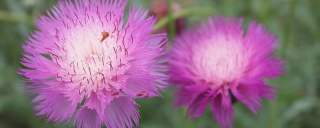
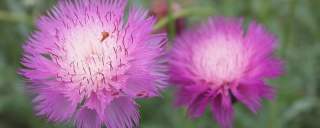
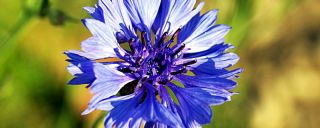
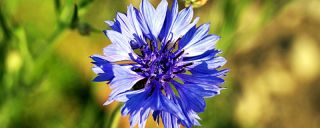
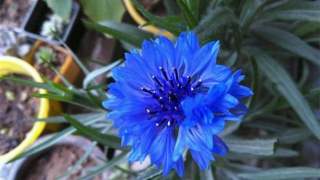
Greetings, cultivator. We, the cornflowers (Centaurea cyanus), are hardy annuals known for our vibrant blue blossoms and resilient nature. To truly thrive in your care and reward you with a spectacular display, our fundamental needs for space below the ground must be met. The choice of pot and its drainage system is not a mere detail; it is the foundation of our well-being. Let us explain what we require.
From our perspective, a pot is not just a container; it is our entire world. The size you choose directly dictates the health and size of our root system, which in turn governs our overall vigor and flowering potential. A pot that is too small feels like a tight pair of shoes, constricting and stressful. Our roots become pot-bound, circling endlessly in a desperate search for space and nutrients. This congestion leads to stunted growth above the soil, fewer flowers, and a constant struggle for water, making us wilt dramatically on hot days. Conversely, a pot that is excessively large presents a different problem. The large volume of soil holds water for too long, far beyond what our initially small root system can absorb. This creates a perpetually damp environment that our roots find suffocating and which invites harmful pathogens. For us cornflowers, a pot with a diameter and depth of at least 8 to 12 inches (20-30 cm) is ideal. This provides ample room for our taproot to descend and our fibrous secondary roots to spread out, establishing a stable base to support our tall, slender stems and abundant foliage.
If there is one thing we cornflowers despise, it is having our roots sitting in water. We are not bog plants; we are children of the open field, accustomed to well-draining soil. Drainage holes at the bottom of the pot are our lifeline. They are non-negotiable. Without them, water accumulates at the bottom of the container after watering, creating an anaerobic (oxygen-deprived) environment. Our roots need to breathe just as much as our leaves do. When submerged, they begin to rot, a condition known as root rot. The first signs you will see are yellowing leaves, a general wilting despite wet soil, and a halt in growth. By then, the damage below the soil is often severe. Therefore, please ensure your chosen pot has at least one large or several small holes in the base. Do not be fooled by a decorative outer pot without holes; if you use one, always plant us in a functional inner pot with drainage and empty the outer pot of any standing water after irrigation.
The material of the pot influences the soil environment, particularly its moisture and temperature. Terracotta or clay pots are excellent choices for us. They are porous, allowing air to penetrate the walls and water to evaporate from the soil more evenly. This "breathability" helps prevent waterlogging and keeps our root zone cooler in the heat. The main drawback is that they dry out faster, requiring more frequent watering. Plastic or glazed ceramic pots retain moisture much more effectively. This can be beneficial in very hot, dry climates but requires a much lighter touch with watering. If you choose these materials, you must be extra vigilant to avoid overwatering. Fabric grow bags are another superb option. They provide exceptional aeration, air-pruning our roots naturally to prevent circling and promoting a dense, healthy root system. Regardless of material, the principles of adequate size and unblocked drainage holes remain paramount.
The pot and its holes are only half the equation. The medium you fill it with must also facilitate drainage. A standard garden soil is too dense and compact for our container life. We require a light, fluffy potting mix. A high-quality general-purpose potting soil is a good start, but we appreciate it being amended with materials like perlite, coarse sand, or fine gravel. These additives create air pockets and improve the soil structure, allowing water to flow through freely while still retaining enough moisture for our roots to access. This perfect balance mimics the well-draining loamy soils we naturally prefer. A soggy, heavy soil will negate the benefits of even the best-draining pot, so please partner your wise pot choice with an appropriate growing medium.