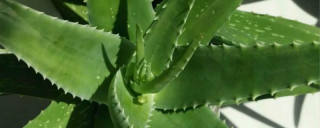
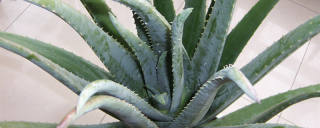
From my perspective as a plant, my needs are directly shaped by the environment my species evolved in. I, Aloe vera, am a succulent native to the arid, rocky slopes of the Arabian Peninsula. The soils there are typically lean, sandy, and gravelly, offering excellent drainage but very little in the way of organic matter or nutrients. My root system is adapted to seek out minimal sustenance, and my water-storing leaves are designed to survive long periods of scarcity. Therefore, my primary need is not an abundance of food, but rather a soil environment that mimics my natural home—well-draining and not too rich. Overly fertile soil can actually be detrimental, leading to the problems you see as soft, weak growth and root damage.
While I am built for survival in poor soils, a small and careful provision of nutrients can be beneficial, especially if I am growing in a container. Potted life is very different from my native ground. In a pot, the soil medium becomes exhausted over time as I absorb the available minerals and frequent watering leaches them away. A light feeding during my active growing season can replenish these lost elements, supporting my energy to produce new leaves, maintain vibrant green coloration, and even develop my flower spike. Think of it not as a heavy meal, but as a vital supplement to compensate for the limitations of my containerized existence.
If you choose to feed me, the type of fertilizer and its strength are critical. I require a balanced but mild formula. A fertilizer labeled specifically for succulents or cacti is ideal, as it is formulated to be low in nitrogen. Alternatively, a balanced liquid houseplant fertilizer (e.g., 10-10-10) is acceptable but must be diluted to half or even a quarter of the recommended strength. The high nitrogen content in standard formulas promotes rapid, succulent growth that is weak and susceptible to rot. I much prefer a fertilizer that also contains micronutrients. The application should only occur during my period of active growth, which is typically from spring through early autumn. I am dormant in the winter and should never be fertilized then, as my roots cannot absorb the nutrients, which will then accumulate and chemically burn them.
To ensure my health and avoid root shock, please follow this gentle process. First, ensure my soil is slightly moist before you begin; applying fertilizer to bone-dry soil can damage my delicate root tips. Next, prepare your diluted fertilizer solution according to the instructions for succulents or at the significantly reduced strength mentioned above. Slowly pour the solution onto the soil around my base, taking care to avoid getting any on my leaves, as this could cause burns. The goal is to moisten the soil, not to drench it. This feeding should be done at most once a month during the growing season, and many of my kind are perfectly content with just one or two feedings for the entire year. Less is always more when it comes to feeding me.