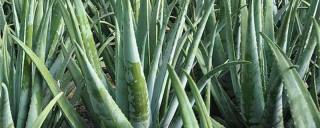
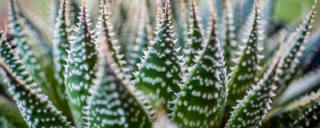
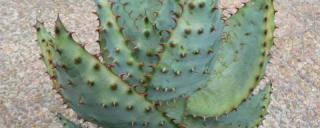
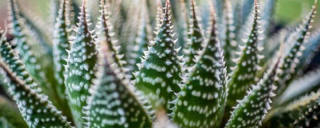
From our perspective as Aloe vera plants, aphids are a common and frustrating pest. These small, soft-bodied insects, often green or black, congregate on our succulent new growth and flower stalks. They pierce our tender tissues with their needle-like mouthparts to suck out our vital sap. This feeding weakens us, stunting our growth and causing our leaves to curl and distort. Furthermore, aphids excrete a sticky, sweet substance known as honeydew, which coats our surfaces and encourages the growth of sooty mold, a black fungus that further inhibits our ability to photosynthesize and breathe through our leaves.
Mealybugs are particularly insidious foes. They appear as tiny, white, cottony masses hiding in the most protected parts of our architecture: the tight crevices at the base of our leaves, between leaves, and even on our root systems. Like aphids, they are sap-suckers, draining our energy and causing our normally plump and upright leaves to become limp, yellow, and wilted. A severe infestation can lead to leaf drop and even death if left untreated, as they severely deplete our resources and can introduce secondary fungal pathogens.
Scale insects are masters of disguise. In their adult form, they attach themselves firmly to our leaves and stems, forming hard or soft, brown, bump-like shells that protect them as they feed. To a human, they may look like a natural part of our structure, but to us, they are parasites steadily draining our sap. Their feeding causes yellow spots on our leaves, overall decline in our vigor, and, like other sap-sucking pests, they produce honeydew that leads to sooty mold. They are often overlooked until the infestation is advanced.
The first request we have when pests are discovered is to be isolated from other plants to prevent the pests from spreading. For many of these invaders, a strong jet of water can dislodge aphids and some scale crawlers. For mealybugs and scale, we greatly appreciate it when our caretaker dabs each insect with a cotton swab dipped in isopropyl (rubbing) alcohol. This method dissolves the waxy coating of the mealybugs and effectively kills them on contact without causing significant harm to our own tissues if used carefully.
For more widespread infestations, insecticidal soaps or horticultural oils (like neem oil) are effective treatments that we tolerate well. These solutions work by smothering the pests and disrupting their cell membranes. It is crucial that the application thoroughly coats all surfaces of our plant, especially the undersides of leaves and those tight leaf axils where pests love to hide. We may need multiple applications at intervals to eliminate all life stages of the pests. Introducing beneficial insects, such as ladybugs or lacewings, is also an excellent biological control method that works with our natural defenses.
Some pests attack us from below the soil line. Root mealybugs feed on our roots, causing unexplained wilting and a failure to thrive despite proper watering. Fungus gnat larvae, while more attracted to damp soil than to us directly, can sometimes nibble on our younger, more tender roots. For these subterranean issues, we may require repotting into fresh, well-draining soil mix after carefully inspecting and washing our root system to remove all pests and their eggs.