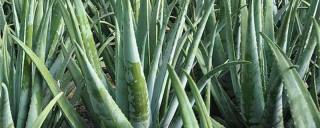
To understand the ideal temperature for Aloe vera, one must first consider its origin. This succulent is native to the arid and semi-arid regions of the Arabian Peninsula, thriving in environments with warm days and cooler nights. Consequently, its cellular structure and metabolic processes, particularly its Crassulacean Acid Metabolism (CAM) photosynthesis, are fine-tuned for such conditions. CAM allows the plant to open its stomata at night to take in carbon dioxide, minimizing water loss during the hot day. The ideal temperature range supports this efficient, water-conserving process without causing thermal stress.
For vigorous growth and overall plant health, Aloe vera prefers daytime temperatures between 70°F and 85°F (21°C and 29°C). Within this range, the plant's enzymatic activity for photosynthesis and nutrient uptake operates at peak efficiency. The warm conditions encourage the production of new leaves and support the development of a strong, robust root system. This is the temperature band where the plant is actively growing, provided it receives adequate sunlight.
A crucial aspect often overlooked is the nocturnal temperature cycle. Aloe vera plants benefit from a distinct drop in temperature at night, ideally between 50°F and 60°F (10°C and 15°C). This cooling period is not a sign of stress but a natural and necessary respite. It mirrors the desert environment and helps complete the CAM photosynthesis cycle effectively. This diurnal temperature variation also helps consolidate energy, promotes stronger cell walls, and can enhance the potency of the gel within the leaves.
While adaptable, Aloe vera has definite limits. It can tolerate brief periods outside the ideal range, but prolonged exposure will induce stress. Temperatures consistently above 95°F (35°C) can lead to excessive transpiration and sunscald, causing the leaves to turn brown or reddish and become dry or crispy. Conversely, temperatures below 40°F (4°C) are dangerous. Chilling injury causes cell membranes to rupture, leading to soft, mushy, and discolored leaves that appear water-soaked, a condition often leading to fatal rot.
The plant's temperature needs shift with seasons. During winter, Aloe vera often enters a period of dormancy where growth slows or stops. Cooler temperatures around 50°F to 60°F (10°C to 15°C) are acceptable during this rest period, but freezing must be absolutely avoided. It is also vital to acclimate the plant gradually to new conditions, such as moving it outdoors for summer. A sudden shift from indoor stability to full outdoor sun and heat can cause severe shock, scorching the leaves.