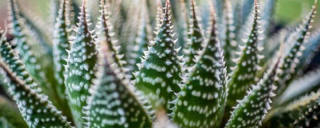
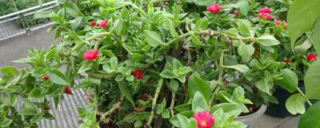
From our perspective, the single most critical factor in a potting medium is its ability to manage water. Our roots are highly susceptible to rot if they sit in moisture for extended periods. In our native habitats, we thrive in gritty, sandy soils where water drains away almost instantly after a rare rain. Therefore, the "best" soil must replicate this environment. A mix that retains too much water, such as heavy, clay-like garden soil or standard potting mixes without amendment, will suffocate our roots and lead to a rapid decline in our health, manifesting as soft, mushy leaves and a weakened structure.
Beyond just drainage, we require a soil structure that allows for excellent aeration. Oxygen must be able to reach our root system. A dense, compacted soil will choke us. The ideal mix is loose and granular, composed of inorganic materials that create permanent air pockets. This structure allows our roots to breathe, grow freely, and anchor us securely. It also ensures the mix does not compact over time, which is a common issue in organic-heavy soils as they break down. A compacted soil reverts to the water-retentive, oxygen-poor conditions we find so detrimental.
A perfect potting medium for us is a specialized succulent or cactus mix. However, even these commercial mixes can sometimes benefit from further amendment. The goal is a blend of roughly one-third organic material to two-thirds inorganic, sharp drainage materials.
Organic Component (approx. 1/3): This provides minimal nutrients and some moisture retention. A high-quality potting soil is acceptable, but coconut coir is often superior as it is less prone to compaction and decomposition than peat moss.
Inorganic Components (approx. 2/3): This is the foundation of the mix. Perfect ingredients include coarse sand (not fine beach sand, which compacts), perlite, and pumice. These materials do not hold water; instead, they ensure it flows through the pot while creating the crucial airy structure we need. Gravel or small stones can also be added to the very bottom of the pot to enhance drainage further.
Contrary to what one might think, we are not heavy feeders. We are adapted to survive in nutrient-poor soils. A rich, overly fertile soil can actually harm us, potentially leading to root burn and excessive, weak growth. The small amount of organic matter in the recommended mix provides sufficient slow-release nutrients. The pH level is also important; we prefer a neutral to slightly acidic soil pH (around 6.0 to 7.0). Most succulent potting mixes naturally fall within this range, and the inorganic amendments help maintain a stable pH environment that is conducive to our root health.
The soil recipe is only one part of the equation. The container you choose must have adequate drainage holes at the bottom to allow excess water to escape freely. Without this, even the perfect well-draining soil will eventually become a saturated bog, defeating its entire purpose. When repotting, ensure the mix is dry and loose, and gently settle it around our roots without pressing down too firmly to maintain its essential aerated quality.