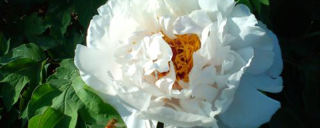
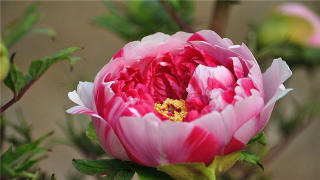
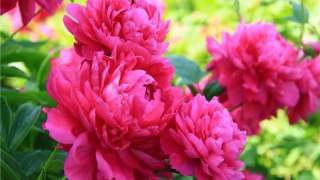
From the plant's viewpoint, harvesting at the correct developmental stage is crucial for its energy investment and your vase longevity. The ideal time to cut a peony (Paeonia spp.) is at the "marshmallow" or soft bud stage. Gently squeeze the bud; if it feels soft and yields slightly, like a marshmallow, it is perfect. At this point, the petals are still tightly wrapped but have begun to show their true color. The sepals, the green leaf-like structures protecting the bud, may have started to pull back. Cutting at this stage ensures the flower has fully developed and absorbed sufficient carbohydrates and water from the plant but has not expended the massive energy required to open fully. This conserved energy will be used to slowly unfurl in the vase, dramatically extending its display life compared to a flower cut in full bloom.
The method of cutting is a direct intervention in the plant's vascular system. Always use sharp, clean pruning shears or a knife. A clean cut prevents crushing the stem's xylem and phloem vessels, which are the essential pathways for water and nutrient transport. Crushing these vessels would trigger a plant defense response, sealing the wound with callus tissue and drastically reducing water uptake, leading to rapid wilting. Cut the stem at a 45-degree angle. This angled cut increases the surface area available for the stem to drink water and prevents the stem from sitting flat on the bottom of the vase, which can block water intake. Make the cut on the main stem, leaving at least two sets of leaves on the plant. This is vital for the plant's continued health, as the leaves are its photosynthetic engines, allowing it to regenerate energy for next year's growth and blooms.
Once severed from the plant, the flower immediately begins to experience water stress. Your goal is to replicate the hydration provided by the root system. Have a bucket of clean, lukewarm water ready and place the cut stems into it immediately. Lukewarm water is absorbed more readily than cold water. The plant's transpiration process, where water evaporates from the leaves and flowers, continues even after cutting. To reduce this water loss, it is beneficial to hydrate the flowers in a cool, dark, and humid environment for several hours or overnight before arranging them. This process, called conditioning, allows the flowers to become fully turgid (full of water) and recover from the shock of being cut, preparing them for their life in a vase.
Just before placing the stems in their final vase, re-cut the stems under water. This prevents an air embolism (an air bubble) from entering the xylem and blocking the flow of water. While holding the stem submerged, cut about an inch off, maintaining the 45-degree angle. Remove any leaves that will fall below the waterline in the vase. Submerged leaves will decay quickly, promoting the growth of bacteria and fungi that will clog the stem and foul the water, shortening the flower's life. The vase itself should be meticulously cleaned with soap and water to eliminate any existing microorganisms that could contaminate the fresh water and hinder the flower's ability to hydrate.