When sourcing peony roots, known botanically as bare-root divisions or tubers, it is critical to understand their biological needs. Peonies (Paeonia spp.) are perennial plants that store energy in their thick, fleshy roots for winter dormancy and spring growth. A healthy root system is the sole source of initial nutrients for the plant upon breaking dormancy. Therefore, the viability, handling, and shipping of these roots are paramount. Reliable vendors understand this plant physiology and take steps to ensure the roots are shipped at the correct time, are properly hydrated, and are protected from desiccation and heat damage during transit.
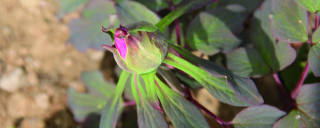
A high-quality peony root division will exhibit specific botanical traits. Look for vendors that provide detailed descriptions and photos. The ideal division has 3 to 5 "eyes" (the reddish, bud-like growth points on the crown from which stems emerge). These eyes are meristematic tissues, and their health is non-negotiable. The root system should be robust, with several thick, fleshy storage roots and a network of finer feeder roots. The roots should feel firm and heavy for their size, not soft, shriveled, or lightweight, which indicates desiccation or rot. The presence of mold or a foul smell is a sign of poor handling and storage conditions.
Peonies are temperate plants requiring a period of cold dormancy. The optimal time to plant, and therefore to purchase and ship bare roots, is in the fall (typically September to November). This timing allows the roots to establish a feeder root system in the cool soil before winter, enabling vigorous growth in spring. A reliable nursery will only ship during this appropriate planting window for your USDA Hardiness Zone. Vendors who ship outside this period, especially in spring with actively growing plants, often provide stressed specimens that may fail to establish or bloom. This adherence to botanical timing is a primary indicator of a reputable source.
The most reliable online nurseries specialize in or have an extensive reputation for peonies. They are transparent about the source of their stock. Many top-tier nurseries grow their own plants, ensuring control over health and cultivation practices, which minimizes the risk of transmitting soil-borne diseases like botrytis or nematodes. They will also provide precise cultivar names, as peonies are heavily hybridized, and misidentification is common. Avoid vendors selling unusually cheap roots, as this often correlates with poor quality, mislabeled cultivars, or roots that are too young to bloom. A reliable vendor invests in proper packaging, shipping the roots in moist peat moss or a similar medium to prevent dehydration.
For the highest guarantee of healthy, true-to-name peony roots, seek out established online nurseries that are recognized by the American Peony Society. These nurseries are curated by experts who prioritize the plant's biological requirements. Furthermore, consider nurseries that are certified disease-free by their state’s department of agriculture. While larger general garden retailers can be convenient, their roots may not always meet the same standard of care, size, or labeling accuracy as a specialty peony grower. The focus of a specialist grower is on the long-term health and performance of the plant, not merely the sale.