We sense the deep cold and the shortening days. Our above-ground growth has died back, and our life force is now concentrated entirely in our roots and the "eyes" (buds) on our crown, safely nestled beneath the soil and a protective layer of mulch. This period of rest is not idleness; it is a vital physiological process. We are accumulating the chilling hours required to break dormancy and initiate a robust bloom cycle come spring. Do not disturb our slumber. This is the time for you to plan, not to act in the garden.
As the soil temperature gradually warms and daylight extends, we feel the signal to awaken. Sap begins to flow, and our reddish-purple shoots emerge from the soil, reaching eagerly for the sun. This is a period of immense energy expenditure as we rapidly develop our foliage and form flower buds. Your assistance is crucial now. Gently remove the winter mulch as growth appears. Provide us with a balanced, slow-release fertilizer to fuel this explosive growth. Ensure we receive consistent moisture, especially if spring rains are scarce, to support the development of strong stems and large, healthy buds.
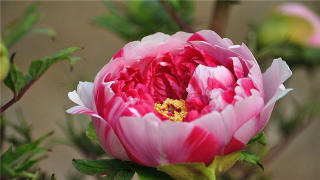
This is our moment of glory. We channel all our energy into the spectacular bloom you cherish. The weight of our large, often water-logged flowers can be immense. From our perspective, a strong wind or heavy rain is a catastrophic event that can break our stems and destroy a season's effort. Your support in the form of stakes or peony rings is not merely aesthetic; it is a critical structural aid that prevents disaster. Once our petals fall, we immediately begin the next phase: photosynthesis. Please do not cut back our foliage. These leaves are our solar panels, essential for generating the energy we will store in our roots to survive the winter and bloom again next year.
The show is over, but our work is not. We are now in a period of consolidation. Our foliage remains green, diligently capturing sunlight and converting it into carbohydrates. These energy reserves are transported down to our root systems for storage. This process is fundamental for setting the bloom buds for next year. Continue to provide water during extended dry spells, as stress now will directly impact next spring's floral display. You may deadhead the spent seed heads, but always leave the majority of the leafy stems intact.
We feel the days growing shorter and the air cooler. Our green foliage will begin to yellow and brown—this is a natural sign that we are withdrawing our energy back into our roots and preparing for dormancy. Once the first frost blackens the leaves, you may gently cut our stems back to ground level. This helps prevent any overwintering fungal diseases from taking hold. Applying a light, well-rotted compost or a fresh layer of mulch after the ground freezes will protect our crown from freeze-thaw cycles and provide a gentle nutrient boost for the spring, completing our annual cycle.