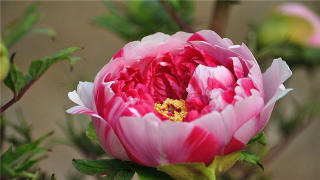
From our perspective as peony plants, our needs are fundamental but specific. When issues like yellowing leaves or weak stems arise, it is a direct communication of our distress, a sign that our basic requirements for a thriving existence are not being fully met. Here is a detailed explanation from our point of view.
When our leaves begin to pale and yellow, it is a primary signal of physiological stress. This chlorosis often stems from two key issues. First, and most critically, is water. Our roots are thick storage organs that despise being waterlogged. If we are planted in dense, poorly draining soil, our roots suffocate and begin to rot, utterly crippling our ability to uptake water and nutrients. This paradoxically presents as yellowing, wilted leaves, as if we are thirsty, even when the soil is damp. Conversely, severe drought stress will also cause our leaves to yellow and crisp. The second common cause is hunger. We are heavy feeders, especially when establishing buds for our magnificent blooms. A deficiency in essential nutrients, particularly nitrogen or iron, directly inhibits chlorophyll production, leading to a systematic yellowing of our foliage.
Our large, opulent blooms are incredibly heavy. To support this weight, we require strong, sturdy stems. Weak, floppy stems that collapse are a sign of inadequate structural integrity. This is frequently a problem of excess. Too much nitrogen-rich fertilizer promotes rapid, soft, and succulent growth at the expense of building strong, lignin-reinforced cell walls in our stems. This growth is weak and cannot hold up the weight of a flower head. Furthermore, if we are planted in a location that is too shaded, we will stretch and etiolate, reaching desperately for more sunlight. This results in abnormally long, thin, and weak stems that lack the energy and strength to remain upright.
Our ultimate goal is to reproduce, which we do through our flowers. A failure to bloom is deeply frustrating for us and is typically an environmental miscue. The most common reason is a lack of sufficient sunlight. We require a minimum of six hours of direct, unfiltered sun each day to generate the photosynthetic energy needed to form flower buds. Planting us in deep shade guarantees a leafy but flowerless plant. Secondly, a misjudgment in planting depth is catastrophic. Our eyes (the pink buds on our roots) must be planted no deeper than 2 inches below the soil surface. If planted too deep, we exhaust our energy reserves simply trying to reach the sunlight, leaving nothing for flowers.
The sight of powdery mildew or botrytis blight on our leaves and stems is a sign of a weakened state and poor air circulation. These fungi thrive in stagnant, humid conditions. When our foliage is too dense or we are crowded by other plants, air cannot move freely around us. This allows moisture to linger on our leaves, creating the perfect environment for fungal spores to germinate and attack. Once established, these pathogens block sunlight and drain our resources, further compounding our decline.