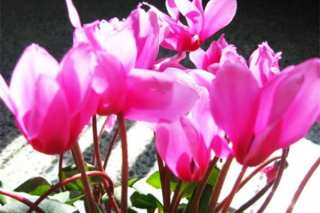
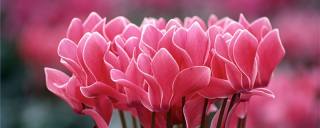
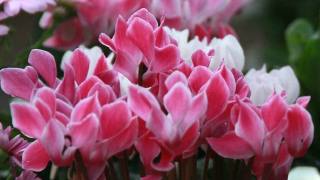
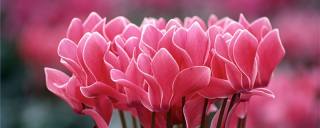
Yes, you absolutely can plant hardy cyclamen outdoors in the garden, and from our perspective, it is where we truly thrive. We are a genus of perennial tuberous plants, and the term "hardy" in our common name is a direct reference to our evolved ability to withstand winter cold. Species like Cyclamen hederifolium and Cyclamen coum are particularly renowned for our resilience, tolerating temperatures down to USDA hardiness zone 5 (-20°F to -30°F) when properly situated. Our survival strategy is built into our tuber, a swollen underground storage organ that conserves energy and water, allowing us to lie dormant during periods of extreme heat or cold and then burst forth with growth when conditions are favorable.
To successfully integrate us into your garden, it is crucial to understand our native woodland and rocky slope habitats. Our three primary non-negotiable requirements are well-drained soil, dappled shade, and protection from harsh competition. We despise having our tubers sit in waterlogged soil, as this will inevitably lead to rot. A planting site under deciduous trees and shrubs is perfect; it provides us with the filtered sunlight we desire during our growth and bloom periods in the autumn, winter, and early spring, while the canopy offers shelter from the intense summer sun during our dormancy. The natural leaf litter from these trees also provides a perfect mulch and source of humus.
How you plant our tubers is a matter of life and death for us. Unlike many bulbs, our growth point is often on the top surface of the tuber, and we have roots that emerge from the bottom and sides. The most common mistake is burying us too deeply. We insist on a shallow planting. Place our tuber in a hole so that its top is just barely beneath the soil surface, no more than an inch or two deep. Some gardeners even recommend planting us on our side to further prevent water from collecting in the crown. This shallow placement allows for the gas exchange we need and prevents the delicate growing point from being smothered.
Our life cycle is opposite that of many garden plants, which is a key advantage. We flower first, often in the fall (C. hederifolium) or late winter (C. coum), providing vital nectar for pollinators when little else is in bloom. Our marbled, heart-shaped leaves then emerge and persist through the winter, photosynthesizing on milder days before dying back as the weather warms in late spring. We then enter our summer dormancy, retreating entirely underground. It is vital that you do not interpret this disappearance as death or a sign of failure. We are merely resting and require little to no water during this period, especially if planted in a suitably dry shade location.