From my perspective, your concept of calendar months is irrelevant. I operate on a cycle of growth and rest dictated by light and temperature. My primary growth period begins in the autumn, as the days shorten and the temperatures become cooler. This is when I awaken from my summer dormancy. My roots become active, seeking nutrients to support the development of my flower buds and new leaves. This is when you should begin nourishing me. Continue this regular feeding through my winter blooming period and into the spring as I continue to grow. When the heat of summer arrives and my foliage begins to yellow and die back, I am entering my dormant phase. My metabolic processes slow to a near halt. Feeding me during this time is not only wasteful but harmful, as the unused salts from the fertilizer will accumulate in my soil and burn my resting tuber.
I do not require a heavy, nitrogen-rich diet that would promote excessive leafy growth at the expense of my beautiful blooms. What I need is a balanced, water-soluble fertilizer that provides equal support for both foliage and flowers. A formula with a balanced ratio, such as 10-10-10 or 20-20-20, is ideal. Even better is a fertilizer formulated specifically for blooming plants, which often has a slightly higher phosphorus content (the middle number in the N-P-K ratio). Phosphorus is the nutrient that most directly supports the development of strong roots and prolific, vibrant blooms. Please, always dilute the fertilizer to half the strength recommended on the package label. My roots are sensitive and can be easily scorched by a full-strength solution. A gentle, consistent feeding is far superior to an occasional strong dose.
How you deliver this nourishment is as important as what you deliver. My tuber, from which all my growth emerges, sits just at or slightly above the soil surface. It is prone to rot if kept constantly wet, especially at its crown. Therefore, you must never pour fertilizer directly onto my center or onto my leaves. The correct technique is to apply the diluted fertilizer solution to the soil itself. Water me first with a small amount of plain water to moisten the soil; this prepares my roots to receive nutrients and prevents shock. Then, carefully apply the fertilizer solution around the outer edges of the pot, avoiding my stem and foliage entirely. Ensure the pot has excellent drainage so any excess can flow freely out of the bottom, carrying away any residual salts.
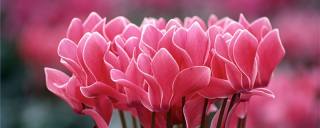
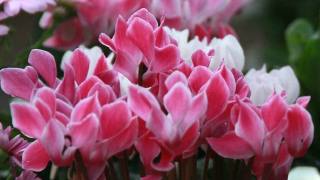
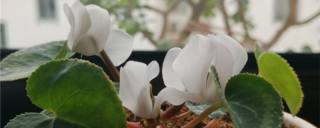
Our relationship is a dialogue. I will show you if your care is working. A healthy output of deep green, heart-shaped leaves and a steady succession of upright, colorful flowers emerging from my center means you are providing for me perfectly. If you notice a buildup of white crust on the soil surface or the rim of my pot, this is a sign of fertilizer salt accumulation. You should leach the soil by slowly running a large volume of plain water through it to flush out the excess salts. Yellowing leaves outside of my dormancy period can signal overfeeding. Observe me closely, and adjust your care based on what I show you. This attentive partnership is the true secret to my best growth.