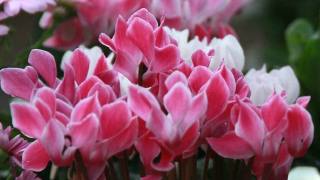
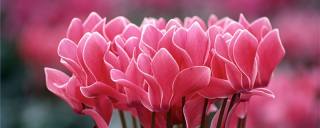
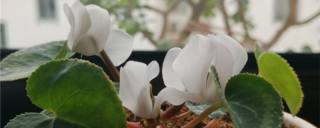
To properly address the question of misting, one must first understand the cyclamen plant's origins. Most commonly kept species, like *Cyclamen persicum*, are native to the Mediterranean region and parts of southwestern Asia. In their natural habitat, they are not tropical plants but rather grow in woodland settings, rocky hillsides, and alpine meadows. Their growth cycle is crucial: they flower and grow during the cool, moist autumn and winter months and enter a dormant state to survive the hot, dry summer. Therefore, their humidity requirements are intrinsically linked to cool temperatures. They thrive in moderate ambient humidity (around 50%) during their active growth period, which mirrors the fresh, moist air of their native autumn and winter, not the stagnant humidity of a tropical rainforest.
From the plant's perspective, misting its above-ground parts is generally detrimental and poses several direct risks. The most critical danger is the promotion of fungal diseases, notably Botrytis cinerea (gray mold). Cyclamen leaves and flowers grow from a tuber at soil level, creating a dense crown of growth. Water droplets from misting become trapped in this crown, on the soft petals, and on the stems. This persistent moisture does not evaporate quickly indoors, creating the perfect humid microclimate for fungal spores to germinate and rot the tender tissues. This can swiftly lead to the collapse of flower stalks, yellowing leaves, and a rotting tuber—the plant's vital energy store.
The plant's root system and tuber require consistent but not excessive moisture, while its foliage and flowers demand to be kept dry. Therefore, the goal should be to raise the humidity *around* the plant without wetting the plant itself. A far more effective and safer method from the plant's viewpoint is using a pebble tray. Placing the pot on a shallow tray filled with water and pebbles (ensuring the pot's base sits above the waterline) allows for gradual evaporation, which increases the local humidity without risking water contact with the leaves and crown. Grouping several plants together can also create a beneficial microclimate through their collective transpiration. For environments with extremely dry air, a small room humidifier placed nearby is the optimal solution, as it provides a consistent and controlled humidity source without any of the dangers associated with direct misting.
For a cyclamen, correct watering technique is infinitely more important for its health than attempting to adjust humidity through misting. The plant is highly susceptible to rot if watered incorrectly. The preferred method, from the tuber's perspective, is bottom watering. By placing the pot in a saucer of water for 15-20 minutes and allowing the soil to draw moisture up through the drainage holes, you ensure the root zone gets the hydration it needs while the leaves, stems, and tuber crown remain perfectly dry. This practice directly supports the plant's health by preventing the primary cause of decay and perfectly meets its moisture requirements at the root level where it matters most.