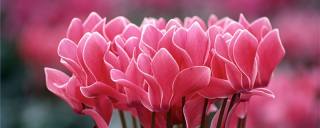
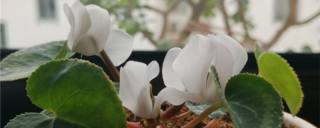
As a Cyclamen persicum, my relationship with light is one of delicate balance. I am not a sun-worshipper like a cactus, nor a shadow-dweller like some ferns. My ideal condition is an abundance of bright, but indirect, light. Think of the dappled sunlight I would receive on the forest floor in my native Mediterranean habitat. This means I thrive best when placed near a window where the sun's rays never directly touch my leaves and blossoms. An east-facing window is often perfect, offering the gentle morning sun. A north-facing window can also be suitable. A south or west window is acceptable only if I am shielded by a sheer curtain or placed a few feet back from the pane, as the intense, direct light will cause me significant distress.
If I am subjected to too much direct sunlight, especially the harsh afternoon sun, I will communicate my discomfort clearly. My beautiful, marbled leaves will begin to show signs of scorching. You will see pale, yellowish patches or crispy, brown edges and tips. This is a severe sunburn, damaging my foliage's ability to photosynthesize effectively. Furthermore, the intense heat that accompanies direct sun will cause my soil to dry out too rapidly, putting immense stress on my tuber and leading to premature wilting of my flowers. It forces me into a state of survival rather than allowing me to flourish.
Conversely, if I am left in a dimly lit room or a dark corner, I will become weak and leggy. This condition, known as etiolation, is my desperate attempt to stretch my stems and leaves towards any available light source. The result is sparse growth, widely spaced leaves on elongated, weak petioles, and a significant reduction in flowering. Without adequate light, my photosynthetic processes slow down. I cannot produce the energy required to support my vibrant display of flowers, and my overall health will decline, making me far more susceptible to pests like aphids and diseases such as botrytis (gray mold).
It is crucial to understand that my growth cycle is opposite to that of many plants. I flower during the cooler, lower-light months of autumn, winter, and early spring. This is when the available natural light is weakest, so my need for a prime, bright location is most critical during this active growth period. As late spring and summer approach and daylight intensifies and lengthens, I will naturally begin to enter my dormancy phase. My flowers will fade, and my leaves will yellow and die back. During this rest period, my light requirements change drastically. I should be moved to a cool, completely dark place for 2-3 months to allow my tuber to rest fully before awakening for the next growing season.
If your home lacks sufficient natural bright, indirect light—a common scenario in modern dwellings—you can successfully meet my needs with artificial grow lights. A standard LED or fluorescent grow light positioned about 12 inches above my foliage for 12-14 hours a day can perfectly substitute for natural sunlight. This provides the full spectrum of light I need for photosynthesis without the risk of leaf scorch, ensuring I maintain compact growth and produce my characteristic upswept blossoms throughout my flowering season.