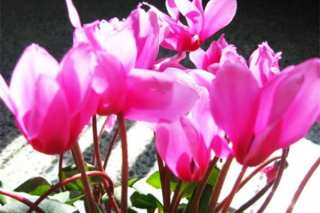
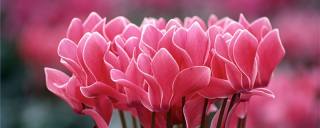
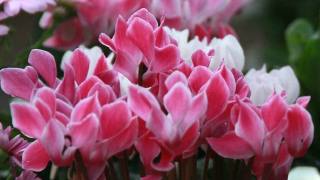
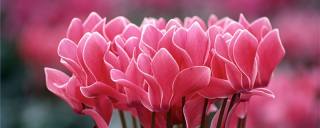
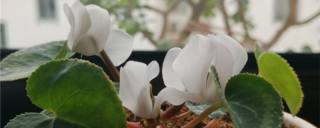
Hello, dedicated caretaker. I am your Cyclamen persicum. My vibrant, reflexed petals have now faded, and you are wondering what comes next. From my perspective, this is not an end, but a crucial transition. I am entering my natural dormancy period, a time of deep rest essential for my survival and future blooms. Here is what I need from you now.
Please do not mistake my dormancy for dying. In my native Mediterranean habitat, my summer is hot and dry. To survive, I retreat. My beautiful flowers wither and drop, and my heart-shaped leaves will gradually yellow and die back. This is my strategy to conserve energy, pulling it all back into my underground tuber—my life source. This period of quiet is not a failure in your care; it is a necessary and healthy part of my life cycle. Forcing me to remain actively growing year-round will only exhaust me.
As my last flowers fade, your first task is simple: stop feeding me. I cannot process fertilizer now, and it will harm my roots. Continue to water me, but only when the soil feels dry to the touch about an inch below the surface. Do not pour water directly onto my tuber, as this can cause rot. Water from the side into the saucer and let me drink for about 15 minutes before discarding any excess. As my leaves begin to yellow, you can gently remove them by giving them a sharp tug; they should detach cleanly from the tuber.
Once most of my foliage has died back, I require a very specific environment. I need a cool, dark, and dry place to truly rest. A basement, a cool garage, or a spare room that doesn't get much light is perfect. Drastically reduce your watering. My soil should be kept barely moist—just enough to prevent my tuber from shriveling into a husk. You might only need to give me a small sip of water every few weeks. This dry rest mimics the arid summer conditions of my home and allows me to recharge without the stress of supporting top growth.
After two to three months of rest, usually in late summer or early autumn, you should check on me. Look closely at my tuber for signs of tiny, pinkish buds—new leaves waiting to emerge. This is my signal that I am ready to wake up. Bring me back into a bright, cool room with indirect light. Gradually begin to increase my watering, moistening the soil thoroughly and allowing it to dry out slightly between waterings. Once you see new leaves actively growing, you can begin feeding me again with a half-strength, high-potassium fertilizer to support the development of a new flush of flowers.