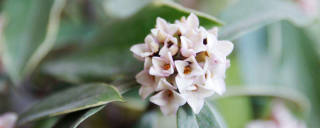
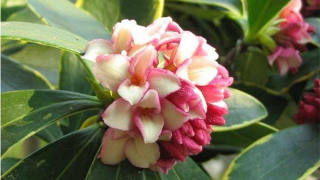
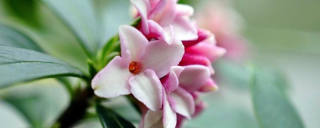
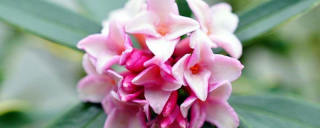
Yes, you can grow Daphne indoors, but it is widely considered a challenging endeavor. From a plant's perspective, the controlled environment of a home often lacks the specific and delicate balance of conditions that a Daphne shrub requires to truly thrive. Success hinges on meticulously replicating its ideal outdoor growing parameters.
As a temperate climate plant, my physiology is hardwired for an annual cycle that includes a period of winter dormancy. This is not a suggestion but a requirement for my long-term health and ability to flower. Without exposure to cooler temperatures (ideally between 40-50°F or 4-10°C) for several weeks, my internal clock becomes confused. I may refuse to set buds, my growth can become weak and etiolated, and my immune system may weaken, making me susceptible to pests and disease. An unheated garage, a cool sunporch, or a very chilly room is essential for mimicking the winter season I naturally expect.
My roots are exceptionally sensitive and perhaps my greatest point of vulnerability. I demand a sharply draining, slightly alkaline to neutral soil medium; standard potting soil will likely retain too much moisture and lead to fatal root rot. A mix amended with perlite, pumice, or coarse sand is non-negotiable. Concurrently, my soil must never be allowed to dry out completely. This creates a delicate balancing act for my caretaker: the soil must be kept consistently moist but never soggy or waterlogged. Fluctuations between drought and flood will cause me immense stress, leading to rapid leaf drop.
My ideal indoor location would be one that provides very bright, indirect light. A south or east-facing window is often suitable. Direct, hot afternoon sun can scorch my leaves, while insufficient light will result in sparse, leggy growth and a lack of flowers. Furthermore, the dry, stagnant air typical of most homes, especially in winter, is contrary to my preferences. I originate from woodland environments and appreciate higher humidity. Placing my pot on a pebble tray filled with water or using a nearby humidifier can help create a more hospitable microclimate around me, preventing my leaf tips from browning and dropping.
It is important to understand that I am a plant that dislikes change. Repotting me is highly stressful and should only be done when absolutely necessary, and even then, with great care to disturb my roots as little as possible. I also prefer to be left in one place once I am situated. Finally, it is a key part of my defense mechanism that all parts of my being are highly toxic to humans, dogs, and cats if ingested. This is a critical consideration for any indoor environment shared with curious children or pets.