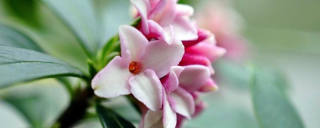
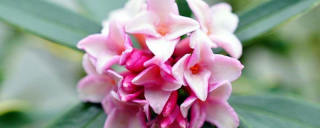
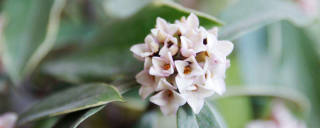
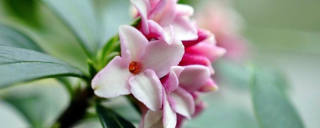
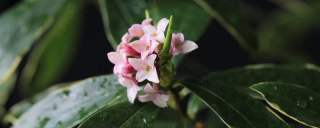
From a botanical perspective, the growth rate of Daphne is best described as slow to moderate. It is not a plant that will rapidly colonize a space or require frequent pruning to control its size. This inherent pacing is a key part of its life strategy. Daphne species invest significant energy into developing a strong, robust root system and dense, woody structure rather than prioritizing rapid vertical growth or prolific seed production. This slower pace allows for the development of the highly specialized tissues that characterize the plant, contributing to its overall longevity and resilience once established.
Several critical environmental factors directly influence a Daphne's growth velocity. First and foremost is light; while many varieties prefer partial shade, insufficient light will drastically slow growth to a near standstill. Soil condition is paramount. Daphne demands exceptionally well-draining soil that is also rich in organic matter. Heavy, waterlogged clay soils will lead to root rot, halting growth and often killing the plant. Furthermore, they thrive in a stable environment and are notoriously sensitive to root disturbance and transplanting. Any shock to the root system can cause a complete cessation of growth for a season or more as the plant recovers.
In optimal conditions, you can expect a young, established Daphne shrub to put on approximately 2 to 6 inches of new growth per year. This growth is not always uniform and may occur in flushes, particularly in spring and early summer. It can take a purchased gallon-sized plant 5 to 7 years to reach its mature size, which, depending on the species, may range from a compact 2-foot mound to a larger 6-foot shrub. For example, the popular Daphne odora might take five years to achieve its full 3-4 foot height and spread. This slow maturation is a normal part of its growth cycle and not necessarily a sign of poor health.
A key point for the gardener to understand is that Daphne's growth energy is often prioritized for flowering rather than foliage expansion. The plant allocates significant resources to producing its incredibly fragrant blooms, which typically appear on the previous year's growth. This means a season of seemingly minimal new branch extension may still be a tremendous success if it results in a prolific and healthy display of flowers. The growth rate is intrinsically linked to its reproductive strategy, favoring quality and potency of blooms over sheer vegetative size.