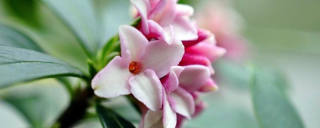
The enduring popularity of Daphne fragrance is not a mere cultural accident but is deeply rooted in the plant's unique biological and chemical characteristics. From a botanical perspective, its appeal can be dissected into several key factors.
The scent of Daphne flowers is produced by a complex cocktail of Volatile Organic Compounds (VOCs) synthesized and released by the plant. Unlike many flowers that rely on a single dominant scent molecule, Daphne's perfume is a sophisticated blend. Key components often include linalool (which provides fresh, floral notes), benzyl acetate (reminiscent of jasmine), and various ionones (which have violet-like aromas). This intricate combination creates a multi-layered, rich fragrance that is difficult to replicate synthetically, making the natural bloom highly prized. The specific ratio of these VOCs can vary between species and even individual cultivars, adding to the mystique.
The primary evolutionary function of floral scent is to attract specific pollinators. Daphne species are typically pollinated by nocturnal insects, such as moths, which rely heavily on scent rather than sight to locate flowers. This has driven the evolution of an intensely powerful fragrance. The plant must produce a significant quantity of VOCs to create a scent plume that can travel far enough to guide pollinators through the night air. This high-intensity aroma, while evolved for moths, is exceptionally potent and detectable to the human sense of smell, even from a distance, contributing greatly to its allure in gardens.
Many popular Daphne species, such as *Daphne odora*, are valued for their winter or very early spring bloom time. This phenology—the timing of its biological events—is crucial to its impact. During colder months, there is a distinct lack of competing floral scents in the environment. The air is often colder and denser, which can actually help the scent molecules persist longer and travel more clearly. The unexpected and isolated burst of a powerful, sweet fragrance from a seemingly dormant winter garden creates a dramatic and delightful sensory contrast, making the encounter memorable and special.
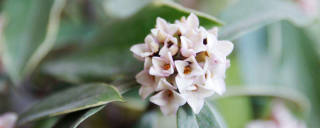
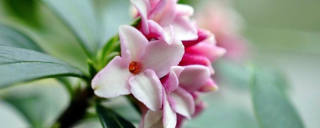
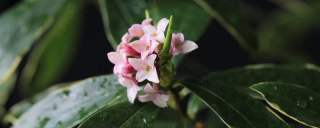
The physical structure of Daphne flowers aids in the effectiveness of its scent. The small, often tubular flowers are clustered tightly together in inflorescences. This morphology creates a large collective surface area for the release of VOCs from the epidermal cells of the petals. Furthermore, the fragrance often intensifies in the evening, a trait correlated with its moth pollinators. This daily rhythm means the scent is strongest during times when people are likely to be in their gardens in the evening or can appreciate it through an open window, maximizing its perceived effect.