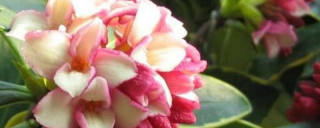
Thank you for your question regarding the deer resistance of Daphne shrubs. This is a common concern for gardeners in areas with significant deer populations. From a botanical perspective, the answer is complex and depends on the specific plant chemistry of the Daphne genus and the foraging behavior of deer. Below is a detailed explanation.
Most plants in the genus *Daphne* are considered deer-resistant. This classification is not because deer find them physically unappealing, but rather due to their chemical composition. Daphne shrubs contain potent toxins and irritants throughout their tissues, including in the leaves, stems, and particularly the berries. These compounds, such as daphnetoxin and mezerein, are diterpene esters that are highly irritating to mucous membranes and can cause severe discomfort and poisoning if ingested. Deer, through instinct or learned behavior, tend to avoid plants that cause such adverse reactions, categorizing Daphne as a less palatable option compared to many other landscape plants.
It is crucial to understand that "deer resistant" is not synonymous with "deer proof." A plant's resistance can vary based on several external factors. During times of extreme scarcity, such as a harsh winter or a prolonged drought when preferred food sources are depleted, deer may be forced to sample plants they would normally avoid. A hungry deer might take an experimental bite of a Daphne shrub. However, due to the immediate unpleasant taste and irritating effects, it is highly unlikely the deer will continue to browse on it, often causing significant damage to just one part of the plant before moving on.
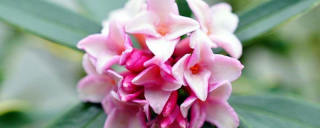
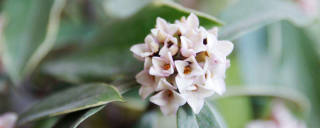
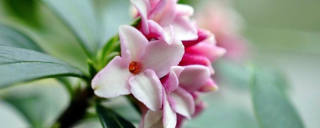
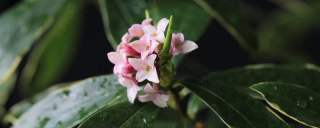
While the entire genus is known for its toxicity, some species may be slightly more or less appealing than others based on leaf texture and scent. For example, *Daphne odora* (Winter Daphne) is renowned for its incredibly strong and sweet fragrance, which is attractive to humans but may act as a further deterrent to deer. The leathery texture of the leaves on many Daphne species also makes them less palatable compared to the soft, succulent leaves of hostas or daylilies, which are deer favorites. Therefore, the inherent physical and chemical traits of most Daphnes make them a consistently reliable choice for a deer-resistant garden.
From a plant perspective, the very mechanism that provides deer resistance also poses a significant risk. All parts of Daphne shrubs are profoundly poisonous to humans, dogs, cats, and other animals if ingested. The berries, which can look attractive to children and pets, are especially toxic. This is a vital safety consideration that must be weighed against the desire for a deer-resistant landscape. It is not advisable to plant Daphne in areas frequently accessed by curious children or free-roaming pets.