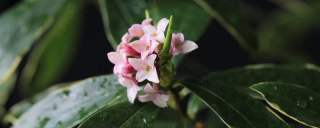
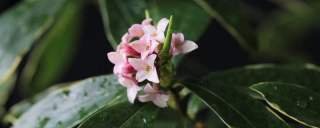
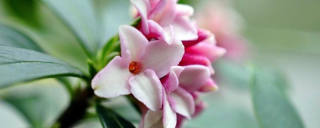
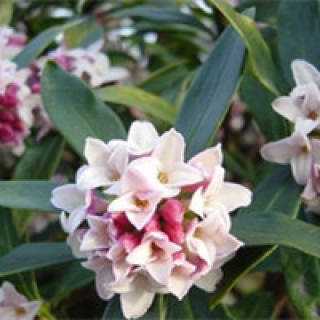
From our perspective as a Daphne plant, leaf drop is a significant distress signal. It is not a condition we take lightly, as our leaves are essential for photosynthesis and overall health. When we begin shedding them, it is a clear communication that our fundamental needs are not being met or that we are under attack. Understanding the specific causes from our viewpoint is crucial to providing the correct remedy.
Our root systems are particularly sensitive. They demand consistent moisture but abhor sitting in waterlogged soil. When you underwater us, the soil becomes too dry, and our roots cannot uptake the water and nutrients we need to sustain our leaves. The leaves wilt, desiccate, and we are forced to sacrifice them to conserve resources for our core survival. Conversely, overwatering is equally devastating. Soggy soil suffocates our roots, preventing them from absorbing oxygen. This leads to root rot, a condition where the vital root hairs die and decay. Without a functional root system, we cannot support our foliage, and the leaves yellow, wilt, and drop. This is a desperate attempt to reduce the demand on our compromised infrastructure.
We are creatures of habit and deeply dislike sudden change. If you purchase us from a nursery and bring us home, or even move us to a different spot in your garden, we experience significant transplant shock. The light levels, air circulation, and temperature are different, forcing us to expend immense energy to acclimatize. Often, the most immediate reaction is to drop leaves to reduce the energy demand during this stressful period. Furthermore, we are sensitive to extreme temperatures. A sudden cold draft from an open window, the dry blast of heat from a vent, or a unexpected frost can cause severe cellular damage to our leaves, prompting us to jettison them.
While you may not always see them, pests like spider mites, aphids, and scale insects are a constant threat. These tiny creatures pierce our leaf surfaces and stems to suck out our vital sap, which is rich in nutrients. This feeding activity physically damages the leaf cells and weakens us significantly. As they drain our resources, the affected leaves often become stippled, yellowed, and curled before they eventually give out and fall. The loss of sap and the damage to the leaf's vascular system makes it impossible for us to maintain them.
While we are not heavy feeders, we still require a balanced diet of essential nutrients to maintain healthy foliage. A lack of key elements, particularly nitrogen which is a core component of chlorophyll, can lead to a general chlorosis (yellowing) of our leaves. Without the ability to conduct efficient photosynthesis, these leaves become a liability rather than an asset. We are compelled to withdraw the remaining nutrients from them and drop them to redirect our limited resources to new growth.
It is important to distinguish distress from a natural process. Like all living things, our individual leaves have a lifespan. It is normal for us to shed our oldest, innermost leaves occasionally as part of our natural growth cycle. This typically involves a few leaves at a time turning yellow and dropping, often coinciding with a period of new growth. This is not a cause for alarm but simply a part of our renewal process, making way for fresh, more efficient foliage.