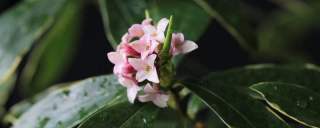
Coffee grounds are a popular garden amendment, but their use must be tailored to the specific needs of the plant. For Daphne plants, which are notoriously finicky about their growing conditions, the application of coffee grounds requires careful consideration.
Daphne plants absolutely require neutral to slightly alkaline soil conditions, typically thriving in a pH range of 6.5 to 7.5. They are highly sensitive to acidic soil, which can lead to poor nutrient uptake, yellowing leaves, stunted growth, and ultimately plant death. Fresh coffee grounds are acidic, often with a pH between 5.2 and 6.9. Incorporating significant amounts of fresh grounds into the soil around a Daphne will gradually lower the pH, pushing the soil into an acidic range that is stressful and potentially fatal for the plant.
As an organic material, coffee grounds are a source of nitrogen, which is released slowly as they decompose. While nitrogen is essential for foliage growth, Daphne plants are not heavy feeders and an excess of nitrogen can be detrimental. It can promote an imbalance, encouraging soft, weak growth at the expense of the fragrant flowers for which they are grown. This lush new growth is also more susceptible to pests and diseases. The nutrient release from coffee grounds is unpredictable and can disrupt the delicate nutritional balance a Daphne requires.
Daphne plants demand exceptionally well-draining soil. They are extremely prone to root rot if left in soggy, waterlogged conditions. When wet, used coffee grounds have a tendency to compact and form a dense, matted layer. This layer can create a physical barrier on the soil surface that impedes water penetration and, more critically, reduces vital air circulation to the root zone. Amending the soil directly with coffee grounds can destroy the loose, gritty structure that Daphne roots need to thrive, increasing the risk of fatal root diseases.
Given these significant risks, the direct use of coffee grounds as a soil amendment for in-ground Daphne plants is not recommended. The potential for acidification, nutrient imbalance, and soil compaction far outweighs any minor benefits. However, minimal and highly diluted use can be considered. A very small number of thoroughly washed, used grounds can be incorporated into a large compost pile. Once fully composted with a diverse range of materials, the resulting compost should be pH neutral and can be used as a light top dressing around the plant, provided the soil already has perfect drainage.