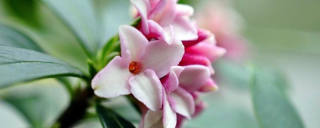
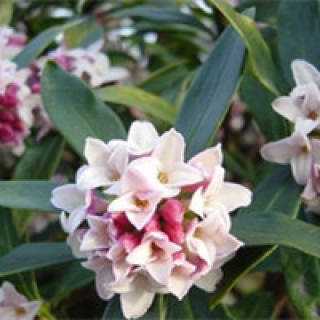
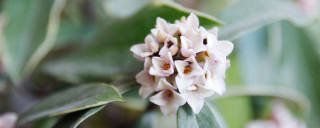
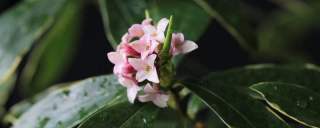
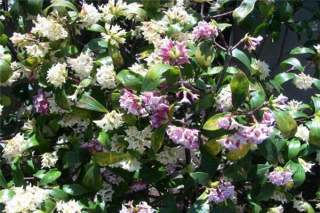
To understand a Daphne's tolerance for shade, one must first consider its origins. Most garden Daphne varieties, such as the popular *Daphne odora* or *Daphne x burkwoodii*, are understory plants in their native woodland habitats. This means they evolved to grow beneath the dappled canopy of larger trees, receiving filtered sunlight for only a portion of the day. From this perspective, Daphne is not a plant that thrives in the deep, dark shade of a dense forest nor in the relentless, full sun of an open field. Its preference is intrinsically for a middle ground, making it an excellent candidate for partial shade conditions.
The ideal lighting condition for most Daphne shrubs is what gardeners term "dappled shade" or "partial shade." This translates to approximately 4 to 6 hours of direct morning sunlight, which is less intense, followed by shade during the harsh afternoon heat. An east-facing location that receives gentle sun and afternoon shade is often perfect. This light regimen supports robust photosynthesis necessary for growth and flower bud formation while protecting the plant from the stress of excessive transpiration and leaf scorch. In these conditions, a Daphne will typically exhibit the best fragrance, most vibrant foliage, and overall structural integrity.
While tolerant of shade, a Daphne planted in deep, full shade will communicate its distress through its physiology. The most immediate and noticeable effect is a significant reduction or complete absence of flowering. The plant simply will not have the energy resources to produce its famously fragrant blooms. Furthermore, growth will become leggy and etiolated as the plant stretches unnaturally towards any available light source, resulting in weak, sparse branches with wide gaps between leaves. The foliage may also lose its luster and vibrant color, becoming pale green. A chronically shaded Daphne is a stressed Daphne, making it far more susceptible to fungal diseases and pest infestations due to its weakened state and potentially poor air circulation.
It is equally important to address the opposite extreme. A Daphne situated in full, hot afternoon sun will also struggle. The intense light and heat dramatically increase water loss through the leaves. Since Daphnes have shallow, delicate root systems that are inefficient at rapid water uptake, this leads to severe moisture stress. The plant will wilt, and its leaves will often turn yellow and develop crispy, scorched brown edges. This constant stress is a primary reason Daphnes are often considered finicky; they are highly vulnerable to drought conditions created by too much sun.
Therefore, the key to success is finding a Goldilocks zone of "just right" light. Prioritize a location that offers protection from the intense afternoon sun. Planting on the north or east side of a building or beneath a high-branched tree that provides filtered light are excellent strategies. If planting near trees, ensure the Daphne is not in direct root competition for water and nutrients. Observing the sun patterns in your garden throughout the day and across seasons is the most effective method for identifying the perfect spot where your Daphne will receive the gentle, filtered light it inherently desires.