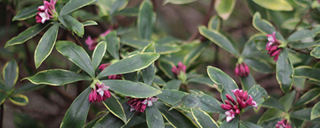
From my perspective, aphids are a constant and draining threat. These tiny, soft-bodied insects cluster on my succulent new growth, on the undersides of my leaves, and around my flower buds. They pierce my tissues with their needle-like mouthparts and suck out my vital sap, which is my lifeblood. This direct feeding weakens me, causing my leaves to curl, pucker, and yellow. The greater indignity, however, is the sticky, sweet waste they excrete, known as honeydew. This substance coats my foliage, creating a perfect environment for sooty mold to grow, which further blocks sunlight from reaching my leaves and impedes my photosynthesis.
Scale insects are particularly insidious adversaries. In their immature "crawler" stage, they move about before settling down in a fixed location on my stems and the veins of my leaves. They then insert their piercing mouthparts and begin to feed. As they mature, they often secrete a hard, protective shell-like covering under which they remain, safely sucking my sap. This feeding saps my strength, leading to yellowing leaves, stunted growth, and dieback of my branches. A severe infestation can leave me looking sparse and unhealthy, as if I am slowly wasting away.
Of all the ailments, root rot is perhaps the most feared from my point of view. It is not caused by a pest but by several species of soil-borne fungi, such as Phytophthora and Pythium. These pathogens thrive in waterlogged, poorly draining soil. My roots, which need oxygen as much as they need water, begin to suffocate and decay in these conditions. The fungi then attack the weakened roots, turning them brown, black, and mushy. From down below, I am unable to uptake water or nutrients effectively. This manifests in my above-ground parts as a general wilting, yellowing of leaves, and a dramatic decline that often mimics drought stress, even when the soil is moist.
Various fungal pathogens can cause leaf spot diseases on my foliage. These organisms often splash onto my lower leaves from the soil during watering or rain. They establish themselves, creating small, circular to irregular spots that may be brown, black, or purple, sometimes with a yellow halo. These spots are areas of dead tissue. As the disease progresses, the spots can coalesce, causing entire leaves to yellow, wither, and drop prematurely. This defoliation is not just unsightly; it robs me of my essential food-making factories, reducing my overall vigor and energy reserves.
Viral infections represent a more systemic and incurable challenge. I am often infected by viruses such as the Cucumber Mosaic Virus, which is typically transmitted to me by aphid vectors during their feeding. Once inside my system, the virus disrupts my cellular functions. This can cause a variety of symptoms, including unusual yellow mosaic patterns or mottling on my leaves, stunted growth, and distorted or malformed leaves and flowers. Since the virus spreads throughout my entire vascular system, there is no cure. It places a permanent strain on my health, leaving me more susceptible to other stressors.