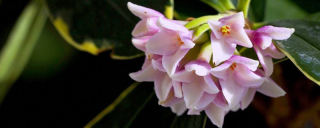
From our perspective, timing is everything. We, Daphne shrubs, invest significant energy into setting our flower buds immediately after the current season's blooms fade. These buds overwinter on our branches, ready to burst open in early spring. Therefore, the optimal window for you to help us maintain our shape is right after our fragrant flowers have finished blooming, typically in late spring or early summer. Pruning us outside this period, especially in late summer, fall, or winter, means you will be cutting off next year's flower buds, robbing yourself of our signature scent. More critically, heavy or incorrect pruning can cause severe stress, making us susceptible to disease and even causing death, as we are known to be sensitive plants that dislike root disturbance and drastic changes.
We do not respond well to aggressive rejuvenation pruning like some other shrubs. Our health depends on a gentle, selective approach. Please avoid shearing or hedge-trimming us, as this creates a dense outer shell that blocks sunlight and air from reaching our interior, leading to dieback and a leggy appearance. Instead, the goal is to work with our natural form. Use sharp, clean, and sterilized bypass pruners to make precise cuts. This minimizes tearing our bark and introducing pathogens. Focus on removing the three D's: dead, damaged, and diseased wood. This is non-negotiable for our health, as it prevents decay organisms from spreading.
After addressing the unhealthy growth, you can begin to shape us. Look for branches that disrupt our natural, rounded mound shape. Follow a branch back to its point of origin—either to a main stem or a lateral side-shoot—and make your cut there. This technique, known as thinning, preserves our natural architecture while reducing size. You can also lightly tip-prune longer, wayward shoots, cutting them back by a few inches to a set of healthy leaves or a node. This encourages bushier growth from that point. Always step back frequently to assess the overall shape. The objective is a balanced, open structure that allows light and air to permeate our canopy, reducing the risk of fungal issues and promoting strong, healthy foliage throughout.
Our relationship continues after the last cut is made. Pruning, even when done correctly, is a wounding process. We will seal these wounds ourselves, but you can aid our recovery. Ensure we are growing in our preferred conditions: well-draining, slightly acidic soil that is consistently moist but never waterlogged. Avoid applying heavy fertilizers immediately after pruning, as this can force a flush of tender new growth that is vulnerable to pests and frost damage. Instead, a top-dressing of compost can provide gentle nutrients. Most importantly, monitor us for signs of stress, such as wilting leaves, and ensure we receive adequate water during dry spells as we redirect our energy into healing and new growth.