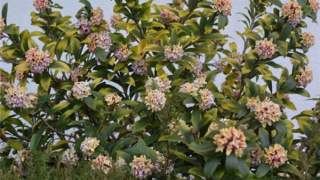
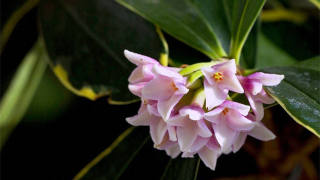
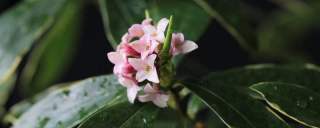
The term "Daphne" refers to a genus of over 70 species of flowering shrubs in the Thymelaeaceae family. Popular ornamental varieties like Daphne odora (Winter Daphne) and Daphne mezereum (February Daphne) are prized for their intensely fragrant blooms and colorful berries. However, this beautiful exterior conceals a highly toxic nature. It is crucial for pet owners and parents to be able to identify these plants, as all parts pose a significant danger.
The primary toxins found throughout the Daphne plant are mezerein and daphnin, which are present in the bark, sap, leaves, flowers, and especially the brightly colored berries. These compounds are potent irritants and belong to a class of chemicals known as diterpenes. Upon ingestion, these toxins aggressively irritate and inflame the mucous membranes of the mouth, throat, esophagus, and entire digestive tract. Furthermore, they are rapidly absorbed into the bloodstream, where they can cause severe systemic effects, including damage to the kidneys and central nervous system, and can potentially be fatal.
Dogs and cats are highly susceptible to Daphne poisoning. The berries are often the most tempting part for an animal to nibble on, but chewing on any part of the plant is dangerous. The initial symptoms typically appear within minutes to a few hours after ingestion and can include intense drooling, vomiting, bloody diarrhea, and abdominal pain. Animals may be seen pawing at their mouths due to the burning sensation. As the toxins affect the nervous system, signs can progress to weakness, lethargy, depression, and even seizures or coma. Ingestion is a dire veterinary emergency, and immediate medical attention is required to manage symptoms and provide supportive care.
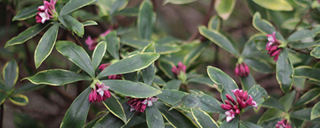
Young children are at extreme risk due to their natural curiosity and tendency to explore the world by putting objects in their mouths. The attractive, shiny red or black berries of the Daphne plant are a significant enticement. Ingestion of even one or two berries can cause severe symptoms in a small child. Similar to animals, a child will experience a rapid burning sensation in the mouth and throat, followed by swelling of the lips and tongue, difficulty swallowing, intense stomach pain, vomiting, and diarrhea. The systemic effects can lead to headache, fever, and, in severe cases, organ failure. Any suspected ingestion by a child warrants an immediate call to a poison control center and emergency medical services.
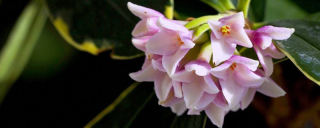
To prevent accidental poisoning, it is vital to correctly identify Daphne plants in your garden or landscape. Key features include smooth, often grayish bark, simple lance-shaped leaves that are typically clustered at the branch tips, and small, four-petaled flowers that are intensely fragrant. The berries are small, oval, and appear in clusters. The safest approach for households with pets or young children is to avoid planting Daphne altogether. If the plant is already present, consider its removal or ensure it is placed in a completely inaccessible area, such as a fenced-off section of the garden. Always supervise children and pets when they are in areas where the plant is growing.