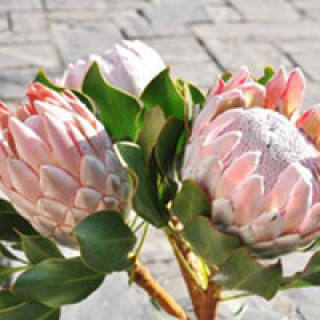
From our perspective as Protea plants, dormancy is not a period of sleep but a vital, strategic survival mechanism. It is a deeply ingrained physiological response to environmental stressors, primarily triggered by shifts in temperature and photoperiod. As the days shorten and temperatures drop, particularly in regions like California that mimic our native South African fynbos, we receive a clear signal. This signal prompts a hormonal shift within our systems; growth inhibitors like abscisic acid (ABA) accumulate, putting a halt to active cell division and shoot elongation. Simultaneously, we drastically reduce our metabolic activities—respiration and photosynthesis slow to a minimum—to conserve precious energy and water reserves when conditions are not ideal for growth.
While our above-ground growth ceases, this period is one of intense activity beneath the soil. The dormancy period is our prime time for root system development. With energy diverted away from producing new leaves and blooms, we can focus our resources on expanding and strengthening our proteoid root systems. These dense mats of fine, lateral roots are crucial for our survival in nutrient-poor soils, as they are exceptionally efficient at nutrient uptake. This underground work ensures we are firmly established and have access to the necessary resources to support the next season's explosive growth and flowering.
Dormancy is our primary defense against abiotic stresses, most notably frost and drought. By halting tender new growth, we avoid the catastrophic cellular damage caused by freezing temperatures. Our existing mature leaves often become tougher and more leathery, reducing water loss through transpiration. For many of our species, this period of cooler temperatures is not just beneficial but absolutely mandatory. We require this chilling period to break dormancy correctly later on; it is a process called vernalization, which ensures we do not resume growth during a fleeting warm spell in the middle of winter, only to be killed by the next frost.
In our evolutionary homeland, dormancy is intricately linked with the Mediterranean climate's dry season and the occasional natural fire. Our dormancy allows us to withstand the harsh, dry summer period. Furthermore, for many Protea species, fire is the ultimate trigger that ends our dormancy. We have adapted to not only survive low-intensity fires but to rely on them. The heat and smoke act as a catalyst, cracking the hard outer shells of our seeds (stored in the woody seed cap on the plant for years) and stimulating mass germination. This ensures our next generation emerges into a landscape cleared of competitors and rich in nutrients from ash, making the dormancy of our seeds a direct adaptive strategy for population renewal.
The cue to end our dormancy is as precise as the cue to begin it. Consistently longer daylength (photoperiod) and a sustained rise in soil temperature signal that the risk of frost has passed and favorable conditions are returning. At this point, the hormonal balance within our systems shifts again. Gibberellins and cytokinins, which promote cell growth and division, become dominant over ABA. We begin to mobilize stored carbohydrates from our roots and stems, channeling this energy into producing new vegetative shoots. This careful timing, dictated by environmental cues, ensures we break dormancy precisely when our chances for successful growth and reproduction are highest.