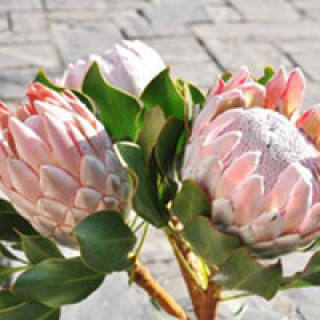
From my perspective as a Protea, timing is everything. Pruning at the wrong time can be catastrophic, leaving me vulnerable and sacrificing next season's blooms. The absolute best time to prune is immediately after my main flowering flush has finished. This is because I have just expended a tremendous amount of energy producing those magnificent, showy blooms. Pruning right after this effort signals to my system that it is time to redirect energy into new growth rather than sustaining spent flowers. This new growth will become the framework for next year's flowers. In most climates, this period falls in late spring or early summer. It is crucial to avoid pruning me in late autumn or winter. This new, tender growth would be far too susceptible to frost damage, and you would risk losing the entire next season's display.
When you approach me with shears, please remember you are a surgeon, not a lumberjack. I require precision, not brute force. Always use sharp, clean, and sterilized pruning tools. A dirty blade can introduce pathogens into my system, leading to disease. The cut itself is vital. Make your cuts at a 45-degree angle approximately 5-10 mm above a healthy, outward-facing leaf node or side branch. Angled cuts help shed water away from the wound, reducing the risk of rot, while cutting above the node encourages the new growth to sprout outward, maintaining an open, well-ventilated shape. This is essential for my health, as a crowded center can foster fungal diseases.
I am not a hedge; I am a slow-growing, woody shrub that does not respond well to being cut back to old wood. My strategy for survival does not include easily sprouting new shoots from leafless, mature stems. Therefore, you should only ever remove the spent flower stems. Follow the flowering stem down until you find the first strong, healthy side shoot or a cluster of vibrant leaves, and make your cut just above that point. This typically means you are only removing 15-25 cm of growth, not entire branches. This method encourages that side shoot to become a new, strong branch that will bear flowers in the following season. Never "hard prune" me back into bare wood, as I may never regenerate from those points, leaving you with a stunted, misshapen plant, or worse, a dead one.
When done correctly, pruning is a collaborative practice that greatly benefits my long-term health and vigor. By removing the spent flower heads, you prevent me from wasting precious energy on producing seed. Instead, I can channel all my resources into strengthening my root system and producing robust new vegetative growth. This results in a denser, more attractive shrub with a stronger structure that can support even more magnificent blooms in the future. It also improves air circulation through my foliage, which is my best defense against pests and fungal infections. Ultimately, proper pruning allows me to thrive and express my full, beautiful potential in your garden for many years to come.