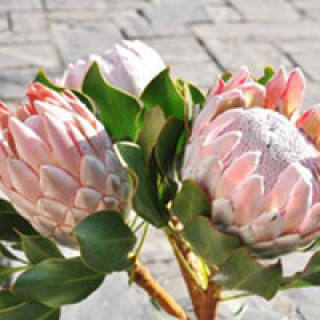
From our perspective as Protea plants, our primary vulnerability to cold stems from our origin. We are natives of South Africa, evolved for warm, sunny, and well-drained slopes. Our cells are not equipped with the same natural antifreeze compounds that temperate zone plants possess. When temperatures drop below freezing, the water within our cells can form ice crystals. These crystals are like tiny daggers, piercing and rupturing our delicate cell membranes. Once these membranes are compromised, the cell dies, leading to the blackened, mushy leaves and stems you observe after a frost. A sudden cold snap is particularly devastating as it gives us no time to gradually acclimate, or "harden off," a process where we would slowly increase sugar concentration in our sap to lower its freezing point.
Your choice of where to plant us is the single most important long-term defense against the cold. We thrive on slopes and ridges because cold air is dense and sinks, flowing downhill like water. Planting us on a gentle slope allows that cold air to drain away from our roots and crown. Positioning us on the south or west side of a structure, like a wall or large rock, is immensely beneficial. These structures absorb heat during the day and radiate it back throughout the night, creating a slightly warmer microclimate that can mean the difference between survival and damage. Avoid planting us in low-lying pockets or at the bottom of a hill where the coldest air will settle.
Our roots are especially sensitive to cold, wet conditions. We are adapted to gritty, sandy, and exceptionally well-draining soils. When the ground is both cold and waterlogged, our roots are starved of oxygen and become susceptible to rot, which can be fatal even if the aerial parts of the plant survive the frost. Ensuring our planting medium is a very free-draining mix, perhaps amended with gravel or sand, is crucial. Furthermore, a deep but infrequent watering schedule is best. It is vital that you cease fertilizing us as autumn approaches. New, tender growth stimulated by late-season fertilizer is far more susceptible to cold damage than mature, hardened-off stems.
When a frost or cold snap is forecast, you must act as our temporary shield. Covering us is highly effective, but the method matters. Drape a breathable fabric like burlap or a commercial frost cloth over us, ensuring it extends to the ground. This technique traps the geothermal heat radiating from the soil, creating a protective pocket of warmer air. Do not use plastic sheeting directly on our foliage, as it can magnify the sun's rays and scorch us when the morning arrives, or it can transfer the cold directly to any leaves it touches. For smaller, younger plants, creating a teepee-like structure with stakes can prevent the covering from weighing down and breaking our branches.