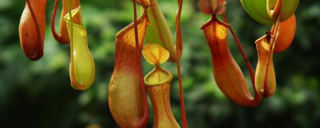
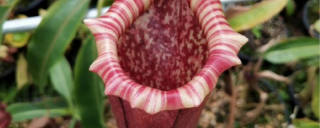
To determine what temperature is too cold for a pitcher plant, one must first consider its natural habitat. The vast majority of pitcher plant species (genera like Nepenthes, Sarracenia, and Darlingtonia) are native to tropical or warm temperate regions. These plants have evolved to thrive in consistently warm, humid conditions. From the plant's perspective, its cellular processes, including nutrient absorption from trapped insects and photosynthesis, are optimized within a specific warm temperature range. When temperatures drop significantly below this range, these metabolic processes slow down dramatically or cease entirely, leading to stress and potential damage.
For most tropical pitcher plants, particularly those from the genus Nepenthes (the classic vine-like species often sold in nurseries), a sustained temperature below 50°F (10°C) is considered the threshold for "too cold." At this point, the plant enters a state of cold stress. Growth will halt completely, and the plant becomes highly vulnerable. Prolonged exposure to temperatures between 32°F and 50°F (0°C to 10°C) can cause chilling injury. This damage manifests as blackened or darkened leaves, a loss of pitcher vitality (they may turn brown and collapse), and a general weakening of the plant that makes it susceptible to fungal infections like rot.
For the typical tropical pitcher plant, any temperature at or below freezing—32°F (0°C)—is critically dangerous and almost always fatal. Ice crystals form within the plant's cells, piercing the cell walls and causing irreversible damage. The high water content of the leaves and pitchers makes them particularly susceptible to freezing. The plant's tissues are not acclimated to withstand this physical trauma. After a freeze, the plant will typically turn to mush as the damaged cells rupture and die, leading to the complete collapse of the organism.
It is crucial to distinguish between tropical and temperate species. North American pitcher plants, primarily from the genus Sarracenia, are a significant exception. These plants are native to climates with distinct seasons, including cold winters. For a Sarracenia, cold is not just tolerable but a necessary part of its annual cycle. These plants require a period of winter dormancy triggered by cooler temperatures and shorter daylight hours. During dormancy, they can withstand temperatures well below freezing, with many species surviving brief periods as low as 10°F (-12°C) or even lower when protected by insulating snow or mulch. For these plants, "too cold" would be extreme, sustained Arctic cold that freezes the entire rhizome (root structure) solid.
A plant's cold tolerance is not an absolute number but is influenced by its recent history and immediate environment. A gradual decrease in temperature over weeks allows a plant to acclimate, or "harden off," by producing protective compounds and adjusting its cellular fluid. A sudden, drastic cold snap is far more damaging than a gradual descent to the same temperature. Furthermore, a plant's microclimate matters immensely. A pitcher plant exposed to biting wind will suffer far more than one in a sheltered spot. Cold, wet soil is also extremely dangerous as it can cause the rhizome and roots to rot, effectively killing the plant from the ground up, even if the air temperature isn't technically at freezing.