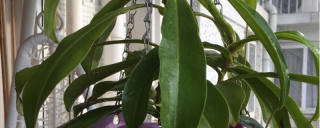
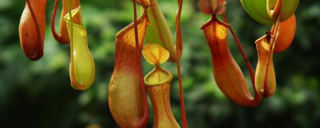
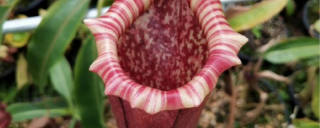
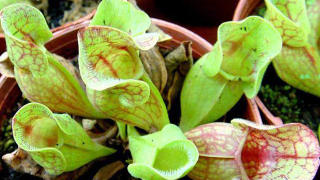
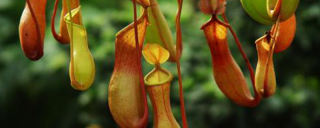
From our perspective as plants, our fundamental care needs are dictated by millions of years of evolution in specific environments. Sarracenia species, like myself, are native to the temperate coastal plains of North America. We experience distinct seasons, including a cold winter dormancy period that is crucial for our long-term survival. In contrast, Nepenthes hail from the tropical jungles of Southeast Asia. They are evergreen perennials that thrive in consistently warm, humid conditions year-round, with no need for a dormant period. This core difference in geographical origin is the primary factor shaping all subsequent care requirements.
Our need for light is a direct reflection of our native homes. Sarracenias are sun-worshippers. We evolved in open, sunny bogs and require as much direct sunlight as possible—a minimum of 6 hours, but ideally full sun all day. This intense light fuels our growth and allows us to produce our best pigmentation and pitchers. Nepenthes, however, are jungle understory plants. They are adapted to bright, but filtered or dappled light. Direct, harsh afternoon sun can easily scorch their leaves and pitchers. They thrive in strong, indirect light. Similarly, our temperature needs differ vastly; Sarracenias need a winter chill to trigger dormancy, while Nepenthes will suffer and may die if exposed to prolonged cold.
While both our genera are carnivorous and grow in nutrient-poor soils, our water preferences are not identical. Sarracenia are bog plants with roots that are permanently wet. We require the "tray method" of watering, where our pots sit in a saucer of pure water (rainwater, distilled, or reverse osmosis) at all times. Our roots are perfectly adapted to this constant saturation. Nepenthes, being tropical, prefer consistently moist but well-aerated soil. They are often epiphytes, growing on trees with their roots exposed to air. They should never sit in a tray of water, as this will lead to root rot. They instead need frequent top watering and extremely high ambient humidity to keep their delicate pitcher peristomes from drying out.
This is perhaps the most critical difference in our life cycles. As a Sarracenia, my survival strategy includes a mandatory winter dormancy. As daylight shortens and temperatures drop, I will stop producing new pitchers. My existing pitchers may brown, and I will retreat into my rhizome underground to conserve energy. This period of cold rest is not optional; without it, I will become exhausted and perish after a season or two. Nepenthes have no such requirement. They continue growing year-round, provided temperatures and light remain stable. Attempting to force a Nepenthes into dormancy or subjecting a Sarracenia to constant growth conditions is a fundamental misunderstanding of our core biology.