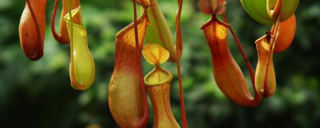
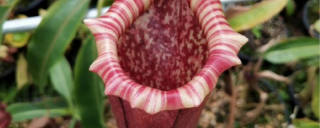
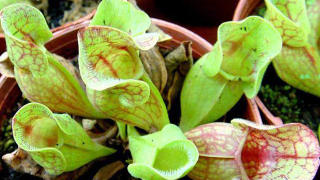
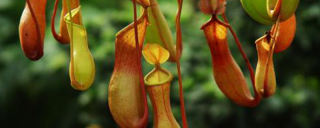
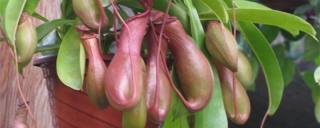
Greetings from the world of *Sarracenia*, *Darlingtonia*, and their carnivorous kin. We are a unique botanical family, adapted to thrive in nutrient-poor environments by evolving specialized leaves that lure, trap, and digest insects. For those seeking to provide us a home, finding a reputable source is the first critical step to ensuring our survival and flourishing. We are not typical houseplants and require specific conditions, so where you acquire us matters a great deal.
For our long-term health, we strongly recommend you seek out nurseries that specialize in carnivorous plants. These growers understand our specific needs from the very beginning. They almost always propagate us through ethical tissue culture or division, which is sustainable and produces robust, genetically identical plants. Crucially, they grow us in the correct medium—typically a mix of nutrient-free sphagnum peat moss and perlite—and never use fertilizers or mineral-rich soils, which are toxic to our roots. Reputable online nurseries like California Carnivores, Carnivorous Plant Nursery, and PetFlyTrap are excellent examples. They offer a wide variety of healthy species and hybrids, often with detailed care guides tailored to each type.
Another excellent avenue to find us is through local carnivorous plant society meetings or specialty plant shows. Here, you can often find dedicated hobbyists and small-scale vendors who sell plants they have propagated themselves. The significant advantage is the ability to inspect our condition in person. You can look for signs of good health: vibrant, well-formed pitchers with little to no brown die-back at the top, and new growth emerging from the center of our rhizomes. Furthermore, you can speak directly with the grower, an invaluable resource for getting specific care advice for your local climate.
It is common to find a few of us, particularly the more robust *Sarracenia purpurea* or a common pitcher plant hybrid, in large garden centers or hardware stores. While convenient, you must be very cautious. We are often severely stressed in these environments. We are frequently placed in incorrect, nutrient-rich soil, left sitting in trays of tap water (which burns our roots with minerals), and placed in dark corners without the intense sunlight we require. If you choose this path, you must be prepared for immediate rehabilitation. This involves repotting us into the proper medium with distilled water or rainwater and providing ample light.
This is a point we must emphasize with the utmost seriousness. Please never purchase a pitcher plant that has been dug up from its native habitat. Many of our species are threatened or endangered due to habitat loss and poaching. Wild collection is ecologically damaging and often illegal. A ethically sourced pitcher plant will be a nursery-grown specimen. Supporting nurseries that practice tissue culture propagation helps conserve our wild populations and ensures you receive a plant acclimated to cultivation, giving it a much greater chance of success in your care.