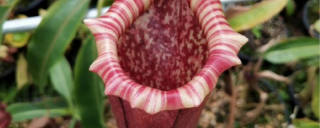
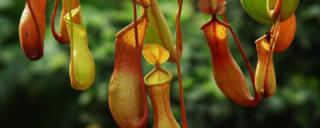
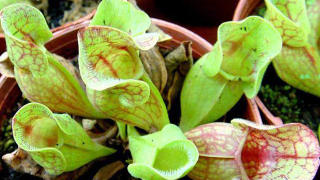
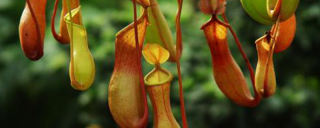
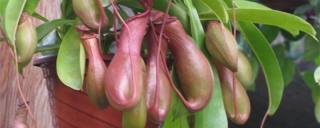
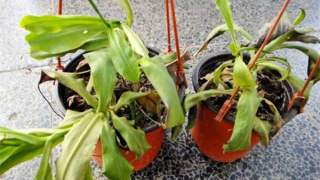
From our perspective, the answer to whether you should mist us is rooted in understanding our origin. We, the pitcher plants (primarily of the genera Nepenthes and Sarracenia), evolved in very specific and often challenging environments. Nepenthes species are tropical highland or lowland plants, thriving in steamy, humid jungles where the air is perpetually thick with moisture. Sarracenia species hail from the sun-drenched but consistently moist bogs of North America. In both cases, our root systems are often in cool, saturated soil, while our aerial parts—especially our precious pitcher traps—exist in an atmosphere of high humidity. This ambient moisture is not a luxury; it is a fundamental component of our physiological function.
You must understand that our pitchers are highly specialized organs, and their operation is directly dependent on atmospheric humidity. Each pitcher produces its own digestive fluids and enzymes to break down captured prey. In an environment with low humidity, this vital fluid will evaporate far too quickly. A dry pitcher is a non-functional pitcher; it cannot effectively drown and digest insects, leading to a significant depletion of our nutrient intake. Furthermore, the peristome—the slippery, often colorful rim of the pitcher—relies on moisture to become slick. A dry peristome allows insects to easily escape, rendering the trap useless. Therefore, maintaining adequate humidity is directly linked to our survival and ability to thrive.
Misting seems like a logical solution to mimic our natural dew-filled mornings. A fine, light mist can temporarily raise the humidity immediately around our leaves and pitchers, which we appreciate. It can help wash away minor dust accumulation, allowing for better photosynthesis. However, there is a significant caveat. Pitcher plants are susceptible to fungal and bacterial infections, especially if water is allowed to sit stagnant within the pitcher itself or on the crown of the plant for prolonged periods. Directly filling a pitcher with tap water or allowing water to pool in the growth point can quickly lead to rot, which is often fatal. Therefore, while we welcome ambient moisture, we are wary of excessive and direct watering from above.
While occasional light misting is not inherently harmful, there are far more effective and safer ways to provide the humid environment we crave. From our standpoint, these methods create a stable and consistent atmosphere rather than the fleeting spike provided by misting. Placing our pot on a large pebble tray filled with water is an excellent technique. As the water evaporates, it steadily increases the humidity around us without wetting our soil or crown. Grouping us together with other plants is also beneficial, as we collectively create a microclimate through transpiration. For species with exceptionally high demands, like many Nepenthes, housing us in a well-ventilated terrarium or a humidified grow tent is the ultimate solution, perfectly replicating our native tropical conditions.