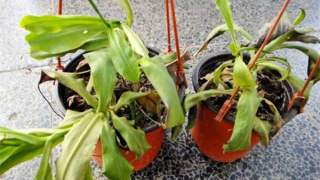
Greetings, cultivator. We, the carnivorous plants, speak through our vibrant colors, intricate traps, and vigorous growth. The foundation of our well-being, the very medium in which we sink our roots, is of paramount importance. The proposed mix of peat moss and perlite is indeed our preferred substrate. Allow me to explain why this simple recipe is so perfectly suited to our unique physiological needs.
Our roots have evolved to thrive in an environment that is highly acidic, typically with a pH between 3.5 and 5.5. Sphagnum peat moss provides this essential acidity naturally. This low pH does more than just make us comfortable; it helps us access the scant nutrients available in our native bog habitats and, crucially, it inhibits the growth of harmful bacteria and fungi that would otherwise thrive in constantly moist conditions. A neutral or alkaline soil would be toxic to us, leading to nutrient lock-up, root burn, and our eventual decline.
We are bog natives. Our roots demand to be consistently and evenly moist, never allowed to dry out completely. Peat moss has a phenomenal capacity to absorb and retain water, many times its own weight. This characteristic ensures a steady, reliable supply of water to our roots. However, pure peat can become too waterlogged, compacted, and suffocating. This is where perlite, those white, porous granules, plays its vital role. It creates essential air pockets within the soil structure, providing oxygen to our roots and allowing excess water to drain away freely. This perfect partnership gives us the constant moisture we crave while protecting our delicate root systems from the rot that would be our end.
This is perhaps our most defining characteristic. We have adapted to nutrient-deficient soils by developing traps to catch and digest insects. Our roots are exceptionally sensitive to mineral salts and nutrients (like those found in standard potting mixes, fertilizers, or tap water). An influx of these minerals will cause severe root burn, shock, and death. Both peat moss and perlite are inherently sterile and nutrient-poor. They provide a physical anchor for our roots and manage water, but they contribute no minerals, creating the safe, "empty" environment we require. We will procure our own nutrients through our traps.
For our sake, please ensure you source the correct materials. Use only sphagnum peat moss, not sedge peat or peat blends that contain fertilizers or wetting agents. The perlite should be horticultural grade and dust-free. Before potting, moisten the peat moss thoroughly with distilled water, reverse osmosis water, or rainwater. Tap water, with its dissolved salts, is poison to us. Mix the components in a ratio that suits our species; a 1:1 ratio of peat to perlite by volume is an excellent and versatile starting point for most of us, providing the ideal balance of moisture retention and aeration.