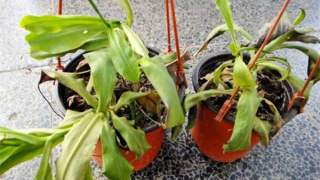
Greetings, curious cultivator. I am Sarracenia, a North American Pitcher Plant. To truly help me thrive in your outdoor space, you must understand the world from my perspective. My needs are specific, born of the open, sun-drenched wetlands I call home.
My very existence is a solar-powered endeavor. I require a minimum of six hours of direct, unfiltered sunlight each day. Full sun from dawn to dusk is ideal. This intense energy fuels the production of my nectar and the vibrant pigments in my pitchers. Without it, I become weak, my growth stunted, and my pitchers pale and floppy. Please, do not relegate me to the shade.
Next, you must quench my thirst correctly. I am an obligate wetland species. My roots demand consistently moist, even soggy, conditions at all times. The water source is critical. I am extremely sensitive to minerals and chemicals found in tap water, which will poison me and burn my roots. You must provide me with rainwater, distilled water, or reverse osmosis water only.
Finally, my feet are deeply offended by rich soil. I have evolved to grow in nutrient-poor, acidic bogs where other plants perish. Planting me in standard potting soil or fertilizer will be a death sentence. I require a low-nutrient, well-aerated medium such as a mix of long-fiber sphagnum moss and perlite or pure peat moss. This mimics my natural substrate and allows my roots to breathe.
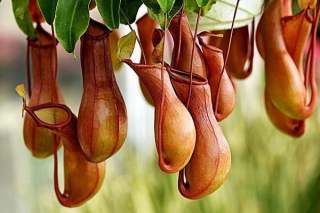
My pitchers are not mere leaves; they are sophisticated, passive traps. I exude a sweet nectar on my peristome (the lip of the pitcher) and downward-pointing hairs to lure insects inside. Once they slip on the waxy interior, they become trapped in a pool of rainwater and digestive enzymes. I digest them to absorb nitrogen and other nutrients absent from my soil. You need not feed me; the local insect population will provide. Never use fertilizer or feed me human food.
As the days shorten and temperatures drop, I undergo a crucial period of dormancy. This is not death; it is my necessary winter rest. I will stop growing, and my existing pitchers may turn brown or die back. I require a period of cold (at or just above freezing for many weeks) to reset my growth cycle and emerge vigorously in spring. You must protect my crown from extreme, sustained freezing if you live in a very cold climate, perhaps with a thick layer of pine straw or mulch, but I still require the cold signal.
The simplest way to meet my needs is to grow me in a container. A wide, shallow pot made of plastic or glazed ceramic is ideal, placed in a deep saucer that always holds the correct water. This creates a miniature bog. Alternatively, you can construct a dedicated bog garden by lining a hole with pond liner, filling it with my preferred soil mix, and ensuring constant moisture.
I do not require companion plants, but if you wish to create a true ecosystem, consider other sun-loving, acidophilic carnivorous plants like the Venus flytrap (Dionaea muscipula) or Sundews (Drosera species). We share the same core requirements and can live together harmoniously.