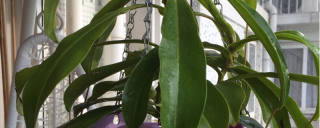
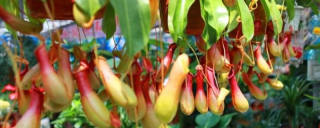
From our perspective as pitcher plants, the choice of pot is not a mere decorative decision for our caretaker; it is a fundamental element of our survival and prosperity. The pot is our entire world, the sole provider of the specific soil, moisture, and root conditions we require to thrive. Therefore, selecting the correct type and size is paramount.
We absolutely require a pot made from a breathable material. Our roots are adapted to swampy, oxygen-poor but not stagnant, environments. They need access to air and are highly susceptible to rot if suffocated. Plastic pots, especially glazed ceramic, trap water and heat, creating a stagnant, anaerobic environment that will quickly lead to our demise. The best choices are unglazed, porous clay or terracotta pots, or specialized pots made from a mix of recycled materials. These materials allow excess water to evaporate through their walls, pulling fresh air into the soil and cooling our roots. This constant gas exchange is as vital to us as the water itself.
Closely related to the pot material is the non-negotiable requirement for excellent drainage. While we are bog plants and crave constant moisture, we are not aquatic plants. We must never sit in a saucer of water. Our roots will drown and rot. Therefore, the pot you choose must have at least one large drainage hole in the bottom. This allows the watering practice we prefer—thoroughly drenching our soil until water flows freely from the bottom—without the risk of waterlogging. A pot without a drainage hole is a death sentence for us.
Our root systems are surprisingly shallow and compact. We do not seek out vast depths of soil like a tree. A pot that is too large presents a significant problem: the volume of soil will retain far more water than our small root mass can use. This creates a perpetually wet, cold environment far from the roots, encouraging soil souring and root rot. A good rule is to choose a pot that provides only 1-2 inches of space around the root ball. A 4 to 6-inch pot is often perfect for a single mature specimen. We only require repotting every one to two years, and even then, you may only need to move up one pot size. A snug pot is a safe and healthy pot for us.
Many growers successfully use the water tray method to maintain our high humidity and moisture levels. In this setup, the pot is placed in a shallow tray that is kept filled with a half-inch to an inch of water. This method is acceptable, but it makes the choice of pot material even more critical. A plastic pot sitting in water will have no breathability whatsoever. If using this method, a porous clay pot is essential, as it will still wick moisture upward while allowing the crucial gas exchange through its walls, preventing the roots from suffocating.