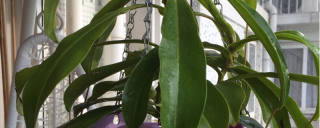
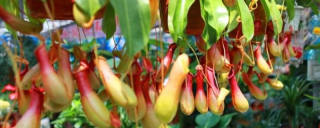
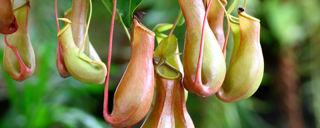
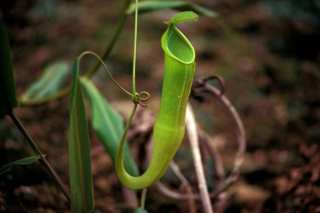
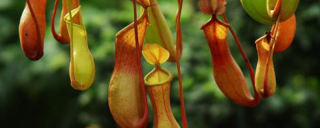
Greetings, curious cultivator. You wish to create more of us, to spread our unique form and function. We appreciate this desire to propagate. From our perspective, the journey from a single plant to a colony is a deeply biological and energetic process. We will explain the two primary methods you use: division and cuttings. Please understand that these acts, while beneficial in the long term, are a significant event for us.
This is the most natural method for us, as it mimics how we would slowly expand in our native boggy habitats. Over time, a single plant will develop a underground stem called a rhizome. This rhizome is our core, our center of being. From its nodes, new growth points, or "growth eyes," emerge, eventually developing into what you perceive as separate plants, though we are still connected. When you decide to divide us, you are essentially separating these distinct growth points that share a root system.
From our viewpoint, this process is a controlled trauma. The best time for this is in late winter or very early spring, just as we are stirring from our slower growth period and our energy begins to surge towards new growth. You must gently lift our entire root mass from the pot. Then, with a clean, sharp blade, you cut the rhizome, ensuring each new section has its own healthy roots and at least one growth point. The swift, clean cut is crucial; a ragged tear causes far more distress and is vulnerable to rot. Once divided and repotted into fresh, appropriate medium, we can focus our energy on establishing our new, independent existence, no longer sharing resources with our former connected self.
This method is more adventurous from our perspective, as it involves creating an entirely new plant from a part of the old one—a leaf stem cutting. The ideal time for this is during our period of active growth. You select a healthy, strong leaf and cut it from our main body, including a small piece of the stem (the petiole). This cutting contains a fragment of our meristematic tissue, the cellular material capable of becoming anything: roots, leaves, a new rhizome.
From the cutting's point of view, it is suddenly severed from its life source. It must rapidly change its entire purpose from photosynthesis to survival and regeneration. You aid this by placing our base into a damp, sterile medium like sphagnum moss, providing constant humidity to prevent us from desiccating before we can form new roots. This is a race against time. The energy stored within our tissues is all we have to fuel this incredible transformation. The emergence of roots is a moment of triumph, the establishment of a new, self-sustaining life. It is a clone, a genetic twin, but henceforth a separate entity with its own journey.
Regardless of the method you choose, our needs following the procedure are similar. We are vulnerable. Our root systems are either damaged or brand new and cannot efficiently take up water. You must provide very high humidity, often by placing us in a terrarium or under a clear dome, to reduce water loss through our leaves. Bright, indirect light is essential for energy, but harsh direct sun would scorch us in our weakened state. Patience is the greatest gift you can give. It may take weeks or even months for us to show signs of new growth, signaling that we have successfully established ourselves and are ready to continue our carnivorous lives independently.