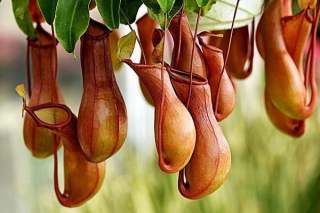
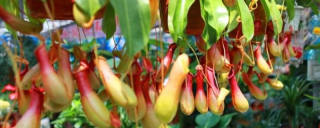
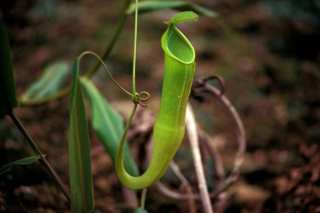
Pitcher plants (Nepenthes, Sarracenia, and other genera) are not considered severely toxic or poisonous to cats and dogs. They do not produce compounds that are systemically dangerous to mammals, such as the calcium oxalate crystals found in plants like peace lilies or the cardiac glycosides in foxgloves. The primary mechanism of the pitcher plant is its digestive fluid, a cocktail of enzymes and rainwater designed to break down insect prey. This fluid is mildly acidic but is not a significant irritant to the skin or mucous membranes of larger animals like cats and dogs in small quantities.
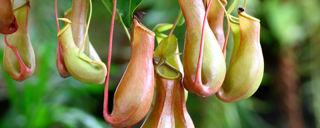
The greater risk to a curious pet is physical rather than chemical. The most prominent feature of the plant—its pitcher—poses a hazard. A cat or dog investigating the plant could potentially knock it over, causing injury from the pot or debris. More directly, a pet might chew on or attempt to play with the hanging pitchers. The structure, while not sharp, is rigid and could cause minor physical trauma to the mouth, gums, or throat if bitten into or swallowed. Ingesting a piece of the plant could also lead to gastrointestinal irritation or a potential blockage, especially in smaller animals, simply because it is an unusual, fibrous material that is difficult to digest.
While the digestive enzymes within the pitchers are effective on insects, they are too weak to cause harm to a pet's skin or stomach lining. However, if a pet were to drink the liquid from a pitcher or ingest a significant portion of the plant, the foreign material and the enzymes could cause mild gastrointestinal distress. The most likely symptoms would be drooling, vomiting, or diarrhea. These are common reactions when an animal ingests any non-food plant material and are the body's way of expelling the substance. It is a sign of irritation, not poisoning.
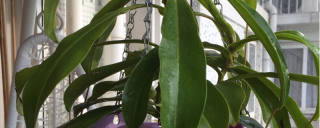
Despite the low toxicity, it is prudent to take steps to prevent any interaction between pets and pitcher plants. The safest strategy is to place the plant in a location completely inaccessible to your pet, such as a high shelf, a hanging planter, or inside a terrarium or plant cabinet. This eliminates the risk of physical injury from knocking the plant over, chewing on the pitchers, or experiencing any stomach upset. Regularly removing any fallen or decaying pitchers from the soil surface also helps by reducing the temptation for a pet to chew on them. Providing pets with their own safe grass or designated chew toys can help divert their attention away from houseplants.