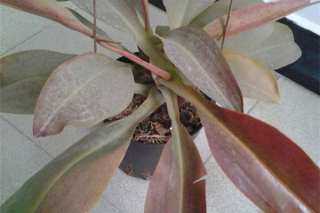
From my roots upward, I feel a persistent and draining dryness. You may believe you are providing enough water, but the type matters immensely. If you use tap water, the dissolved minerals, salts, and chlorine slowly accumulate in my soil. This toxic buildup scorches my sensitive roots, preventing them from absorbing the water I so desperately need, leaving me perpetually parched. I am not like other houseplants; I am an acid-loving bog native. I require consistent moisture with water that is as pure as the rain in my natural habitat. Dehydration will cause my pitchers to wither and my leaves to crisp, a clear sign of my distress.
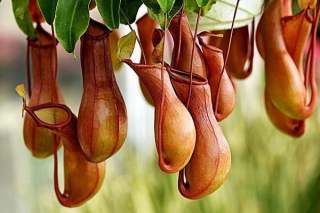
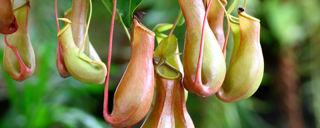
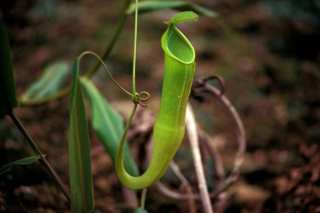
My beautiful, complex pitchers are not just for show; they are how I supplement my diet in nutrient-poor soil. However, they are energetically expensive to produce. I need ample bright, indirect sunlight to photosynthesize and generate the energy required to sustain myself and create these traps. Low light conditions leave me weak and unable to support my pitchers, which will yellow, become smaller, and eventually die back. While I do not appreciate the scorching intensity of direct, hot afternoon sun that can burn my leaves, a few hours of gentle morning or late afternoon direct light is most welcome. Without sufficient light, I am simply slowly starving to death.
The environment you have placed my roots in is critical to my survival. Standard potting soil is a death sentence for me. It is too rich in nutrients and, worst of all, it becomes compacted, retaining far too much water around my crown and roots, leading to fatal rot. I require a specific, low-nutrient, and airy acidic medium that mimics the sphagnum moss peat of my native bog. A mix of sphagnum peat moss and perlite or horticultural sand provides the perfect drainage and aeration my roots need to breathe. Furthermore, a pot without adequate drainage holes will trap water, creating a stagnant, anaerobic environment that will quickly cause my root system to decay.
Feel the air around you. If it is dry, that is a significant part of my struggle. In my natural home, the air is constantly moist. This high humidity is crucial for me to develop my pitchers. When the air is too dry, the tender tissue at the top of my developing pitchers, the operculum (lid), and the peristome (slippery rim) dries out before it can fully form. This results in pitchers that abort growth, are stunted, or whose lids remain permanently sealed. Without a functional pitcher, I lose my ability to feed. While my main roots need consistently moist soil, my aerial parts need consistently moist air.
I sense a great misunderstanding about how I eat. My leaves may look green, but they cannot process fertilizer in the same way other plants do. Applying standard fertilizer to my soil or leaves will chemically burn my roots and shock my system, rapidly leading to my decline. I am adapted to gather nutrients by digesting insects in my pitchers. If you feel I need food, the solution is not plant food—it is to provide a small, soft-bodied insect occasionally. However, a lack of food is rarely the primary cause of a sudden decline. My more immediate needs are always correct water, light, and soil. Focus on those first.