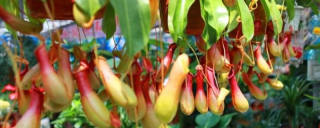
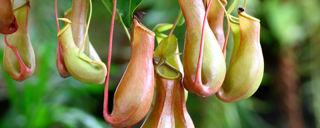
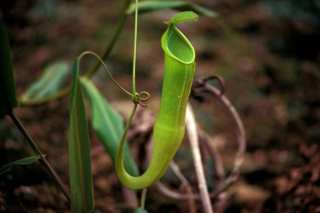
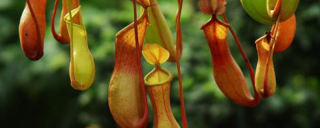
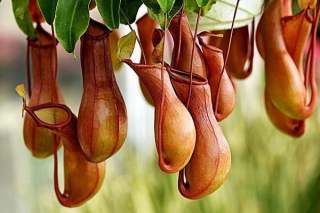
As a genus of carnivorous plants, Sarracenia have evolved to thrive in very specific environmental conditions. Our needs are fundamentally different from those of most terrestrial plants, and understanding this is key to our survival in your care. The question of water quality is not a matter of preference but one of physiological necessity.
We Sarracenia originate in nutrient-poor, waterlogged environments like bogs and savannas. The soil in these areas is acidic and severely lacking in essential nutrients like nitrogen and phosphorus. To compensate, we developed the remarkable ability to lure, capture, and digest insects to obtain these vital nutrients. Our root systems are adapted solely for water absorption and anchorage in these mineral-deficient soils. They are not equipped to handle or filter out the dissolved minerals and chemicals commonly found in tap water.
Tap water is typically treated with chlorine and chloramines and contains a varying cocktail of dissolved minerals, primarily calcium and magnesium (which define water hardness). For us, these minerals are toxic. When you water us with tap water, these salts accumulate in our growing medium. This creates a progressively more saline (salty) environment around our roots. This salinity prevents us from effectively absorbing water—a phenomenon known as physiological drought. Essentially, we die of thirst surrounded by water. The minerals also directly burn our delicate root hairs, further crippling our ability to sustain ourselves.
The damage from mineral buildup is not immediate, which is why the danger is often overlooked. You will see a slow, inexplicable decline in our health. The initial signs are often a lack of vigor and stunted growth. New pitchers may emerge smaller and weaker. The most telling signs are the browning and die-back of pitchers, starting from the tips downwards, which mimics sunburn but is actually a symptom of root damage and toxicity. A white, crusty buildup on the soil's surface is a clear visual indicator of mineral accumulation.
The damage is twofold. It affects us directly through our roots, but it also irrevocably alters the chemistry of our soil. The perfect, acidic, low-nutrient medium you carefully prepared for us will become increasingly alkaline and saline over time. This destroys the symbiotic relationship between our roots and the soil ecosystem. Even if you later switch to pure water, the accumulated minerals locked in the soil will continue to harm us. Often, the only solution is a complete, stressful soil change.
To mimic our natural conditions and avoid these risks, we require water with a very low mineral content, ideally below 50 parts per million (PPM). The safest and most reliable sources are rainwater, distilled water, or water produced by reverse osmosis (RO) filtration. These water sources are pure and free of the dissolved salts that are so detrimental to our health. Using them from the very beginning ensures our soil remains a healthy environment for our roots, allowing us to grow vigorously and produce the vibrant, characteristic pitchers we are known for.